PVC Doors: What They Are and Where They Work Best

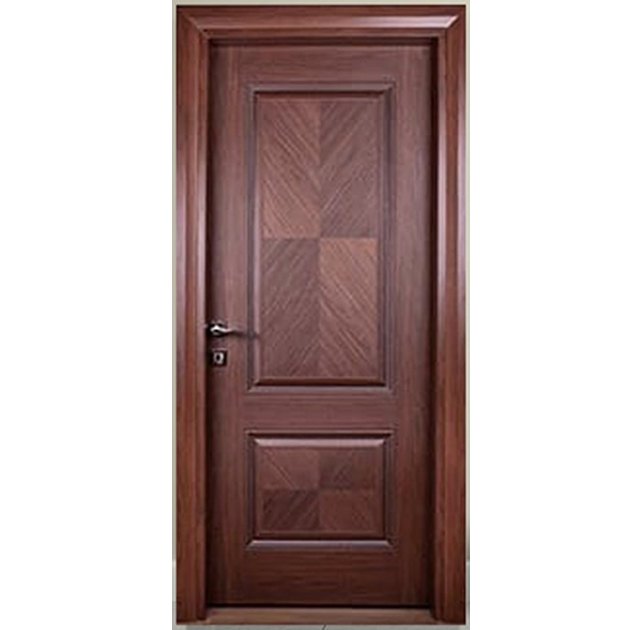
PVC doors have become a familiar choice in Egyptian homes, especially for rooms where water and steam are part of daily life. The name can mean slightly different constructions, so it helps to know what you are actually buying and where this material really shines.
What is a PVC door?
PVC, or polyvinyl chloride, is a widely used plastic. In doors it appears in two typical ways. In the first, a thin PVC film is wrapped or pressed over a core, often a fiberboard core, to create a smooth, wood-look or colored surface. In the second, the leaf itself is built from PVC sections or sheets, often with a hollow or filled structure, which is common in doors meant for wet areas. Because products differ, always ask which type you are being offered and what the core is made of.
Main advantages
- Moisture resistance: plastic does not absorb water the way bare wood does, so it handles steam and splashes well.
- Easy cleaning: a damp cloth with mild soap usually removes dust, fingerprints and marks.
- Many looks: films can imitate wood grain or come in solid colors, from white to modern grays.
- Lighter weight: many PVC leaves are lighter than solid timber, which is gentler on hinges and frames.
- Consistent finish: the surface is uniform, with no knots or visible joints in the grain pattern.
Limits to keep in mind
PVC surfaces are not indestructible. Sharp objects can scratch or cut a film, and strong heat sources such as a nearby heater or a hot appliance can soften or discolor plastic. Strong sunlight over many years may also fade some colors, so doors that face a bright window deserve a little attention. If the core behind a film is fiberboard, the edges and the bottom still need good sealing, because water reaching an unprotected edge can damage the core even if the surface is waterproof. Finally, deep damage is harder to repair than on paint, which can often be touched up.
Where PVC works best
| Room | Suitability | Why |
|---|---|---|
| Bathroom | Very good | Handles steam and splashes |
| Kitchen | Very good | Easy to wipe from grease and fingerprints |
| Laundry or balcony access | Good | Tolerates humidity, but avoid long direct sun |
| Bedroom and children's room | Good | Wide choice of colors and easy care |
| Living areas | Good | Wood-look films give a warm appearance |
Bathrooms and kitchens are the classic homes for PVC doors, but they also work well anywhere you want simple upkeep, such as children's rooms and rental apartments, where doors are knocked and touched often.
Taking care of a PVC door
Clean with a soft cloth and mild soapy water, then dry. Avoid abrasive pads and solvent-based cleaners, which can dull or damage the film. Wipe the bottom of the leaf regularly in wet rooms, and keep the door from being pushed repeatedly against hard furniture.
How to choose what suits your home
- Room: use PVC first for wet and steamy rooms such as bathrooms and kitchens, then consider it for any room where easy cleaning matters.
- Climate: in humid or coastal homes, PVC is a sensible choice, but confirm that the edges and core are protected.
- Budget: PVC doors are often a practical mid-range option; compare construction, not just surface appearance.
- Family: with children and pets, choose a texture that hides fingerprints and wipes clean quickly.
- Style: pick white or light tones for a bright look, or a wood-look film for warmth and a more classic feeling.
- Maintenance: if you prefer low upkeep and no repainting, PVC fits well.
Browse the Dali shop to see PVC doors and compare them with melamine, HPL and painted finishes.