Before and After: How New Doors Transform a Renovated Home

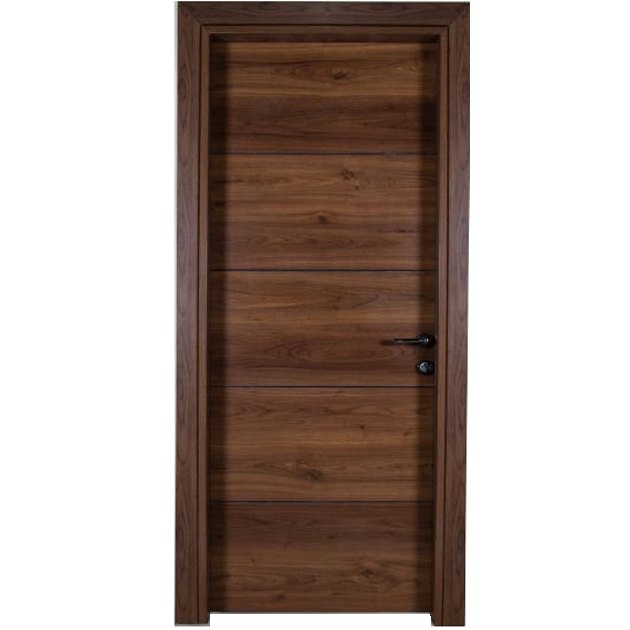
Renovation budgets usually go first to floors, kitchens and bathrooms, while doors are left for last or kept as they were. Yet doors are among the largest surfaces you see every day, and replacing tired ones can change the feel of a home more than people expect. This is a practical look at what typically changes when doors are upgraded.
The usual "before"
Older apartments often share similar door problems: swollen or warped leaves that stick, paint that has yellowed or chipped, mismatched styles from different eras, loose hinges, and frames that no longer line up with new floors or walls. Even after fresh paint and new tiles, tired doors can make a room look unfinished.
What changes in the "after"
- A unified look: one consistent design and finish across the home makes corridors feel calm and connected.
- Cleaner lines: doors that close properly with even gaps look neater and function better.
- Light and colour: lighter surfaces brighten dim hallways, while a feature door adds personality.
- Quieter rooms: solid-feel doors with a good fit generally reduce noise between rooms.
- Smoother daily use: new hinges and locks mean doors that open quietly and latch properly.
Pairing the door with the new finishes
New doors work best when planned alongside the rest of the renovation, not after it.
| Renovation element | How it relates to the door |
|---|---|
| Floors | Choose a door tone that contrasts gently or harmonises with the flooring |
| Paint | Decide whether the door matches the walls or stands out |
| Skirting | Match or coordinate with the door and frame |
| Lighting | Pale doors reflect light; dark doors absorb it |
| Hardware | Repeat the handle finish used in the kitchen and bathrooms |
Timing and installation planning
The best time to choose doors is early, before the final paint and floor are done. Frame dimensions, floor level and wall thickness all affect how a door fits. If doors are installed after final flooring, the gap at the bottom must account for the floor, and the paint must be protected during installation. Measure carefully, confirm the exact opening size and agree with your installer on how the frame will meet the wall.
Replacing the whole door set, which means leaf and frame together, usually gives a cleaner result than fitting a new leaf into an old, uneven frame, though it involves more work. Consider the condition of the existing frames before deciding.
Choosing materials room by room
Replace each door with a material that suits its room. PVC is a sensible choice for bathrooms and kitchens where moisture is a concern. Melamine and HPL offer reliable, easy-care surfaces for bedrooms and busy corridors, and painted doors are good when you want to choose an exact colour or tie in with other painted elements. This is also a chance to correct earlier mistakes, such as a wood door that has swelled in a damp bathroom.
How to choose what suits your home
- Start with the worst doors: replace the ones that stick, swell or look the most worn, then complete the rest as budget allows.
- Stay consistent: keep style and handle finish uniform across visible doors.
- Humidity: swap old wood in wet areas for a moisture-friendly material.
- Budget: a partial upgrade of the most visible doors, such as the entrance, living room and corridor, still makes a noticeable difference.
- Family: consider noise and privacy needs for bedrooms and children's rooms.
- Maintenance: choose finishes that match how much time you want to spend on upkeep.
Browse the Dali shop to find doors that will complete your renovation.