Doors for the Home Office and Kids' Rooms: Quiet, Safe and Practical
A home office and a child's bedroom ask very different things of a door, yet both need thoughtful choices. One needs calm and concentration, the other needs safety, durability and a bit of personality. Getting the door right helps both rooms work better for the people who use them.
The home office door
When you work from home, the door is your boundary. A solid-feeling door helps reduce noise from the rest of the house and signals to the family that you are working. A heavier leaf typically blocks more sound than a light hollow one, and a tight fit around the frame matters too, since sound often leaks through gaps.
- Sound: choose a solid-feel construction and check the gaps around the leaf.
- Privacy: a glazed panel can feel open but lets noise and sight through; choose frosted glass if you want some light.
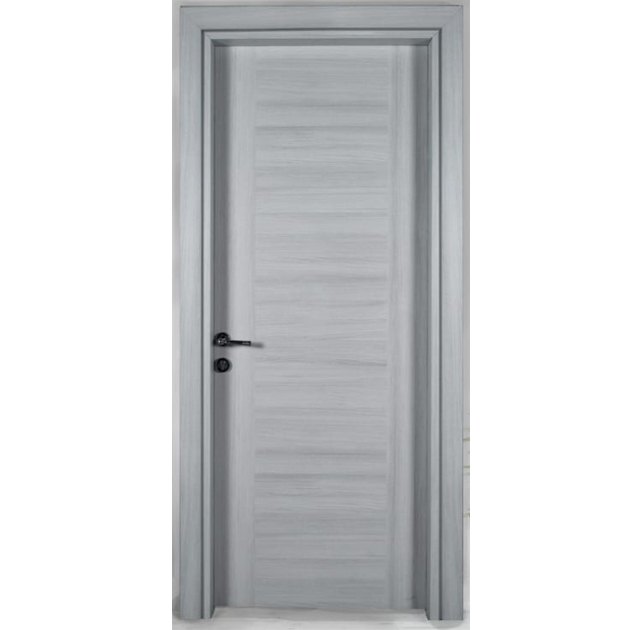
- Colour: calm shades such as soft grey, muted green or warm neutrals support focus.
- Handle: a lever handle with a lock is useful for video calls and sensitive work.
Doors for children's rooms
Children's rooms deal with slamming, fingerprints and the occasional crayon, so the surface matters as much as the style.
| Priority | What to look for |
|---|---|
| Safety | Smooth edges, safe hardware, and a lock that can be opened from outside in an emergency |
| Durability | Hard-wearing surfaces such as HPL or melamine |
| Cleaning | Wipeable surfaces that tolerate damp cloths |
| Noise | Soft-close hinges or door stops to avoid slamming |
Think about fingers too. Door edges and hinge sides are where small hands get caught, so consider finger-safe accessories.
Colour and personality
Kids' rooms are a good place to be playful. Pastel shades, soft blues, sage greens and warm yellows are friendly without being overwhelming, and a painted door can be repainted as the child grows. For older children, a more neutral base with a coloured frame or a magnetic or chalk-style painted area on the room side lets them express themselves without replacing the door.
Materials that suit each room
For both rooms, easy cleaning and stable surfaces are valuable. Melamine offers a wide range of colours and wood effects at a practical level, HPL is often chosen for its resistance to wear, and PVC works well if the room is near a bathroom or in a humid area. Painted doors give the most colour freedom and can be touched up easily when scratched. Solid-feel wood-based leaves are better for sound control than very light ones.
Hardware and safety details
Choose rounded handle shapes in children's rooms and avoid sharp decorative edges. A simple latch is usually better than a complex lock for small children, because they can lock themselves in. If your child's room has a lock, make sure there is a way for adults to open it from the outside. In the office, a good lock and smooth hinges are worth the investment since you will use them every day.
How to choose what suits your home
- Room use: quiet, solid-feel doors for the office; durable, wipeable surfaces for kids.
- Humidity and climate: choose moisture-friendly materials if rooms are near bathrooms or the sunroom.
- Budget: invest in the office door for sound and the children's door for durability, and keep decorative detail simple.
- Family: think about how many people use the hallway and how often doors close with force.
- Style: match the door to the rest of the home, and use colour in the room rather than all over the door.
- Maintenance: pick finishes you can wipe or touch up quickly, since both rooms see heavy daily use.
Browse the Dali shop to find durable, practical doors for your home office and children's rooms.