Double Doors and Wide Openings for Living and Reception Rooms
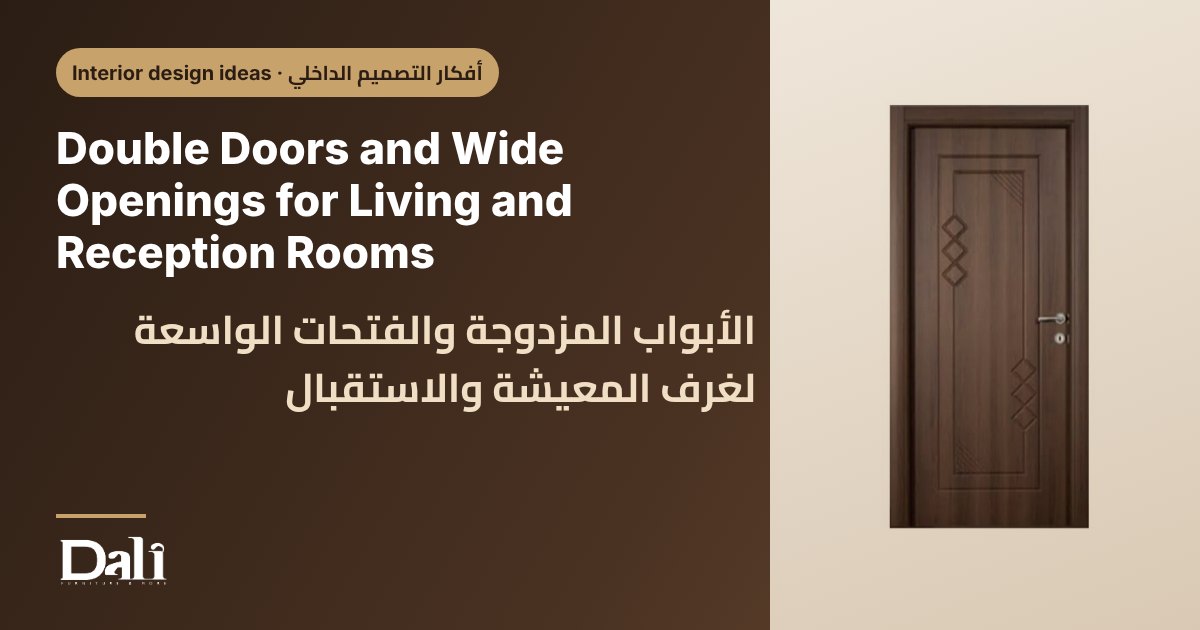
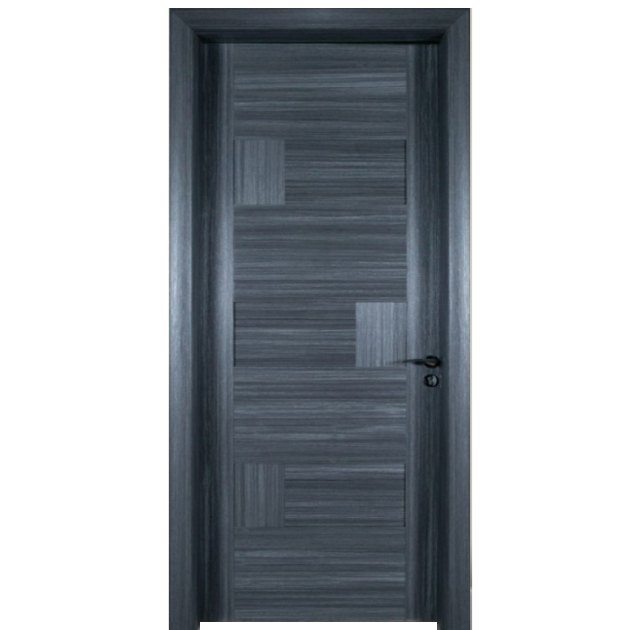
A pair of double doors announces a room. In reception areas and large living rooms they create a sense of arrival, allow furniture to pass easily and let two spaces join when you host guests. Wide openings are also practical, but they need more planning than a standard single door.
When double doors make sense
Double doors suit openings that are wider than a standard single door, and rooms where you want to join or separate spaces, such as a living room and dining room. They are also a natural fit for formal reception rooms, where the entrance deserves some presence.
Before you commit, consider the wall. A wide opening reduces solid wall space, which can limit where you place furniture or cabinets. It also affects structure, so if you are widening an existing opening, check with an engineer or experienced contractor first.
Sizes and proportions
Double doors are usually two equal leaves that together fill the opening. Each leaf needs to be wide enough to look balanced and to move comfortably.
- Equal leaves: the classic arrangement, symmetrical and formal.
- Unequal leaves: one wider leaf for daily use and a narrower one that opens only when needed; useful when space is limited.
- Height: taller doors, often up to the ceiling line in high rooms, make the opening feel grander.
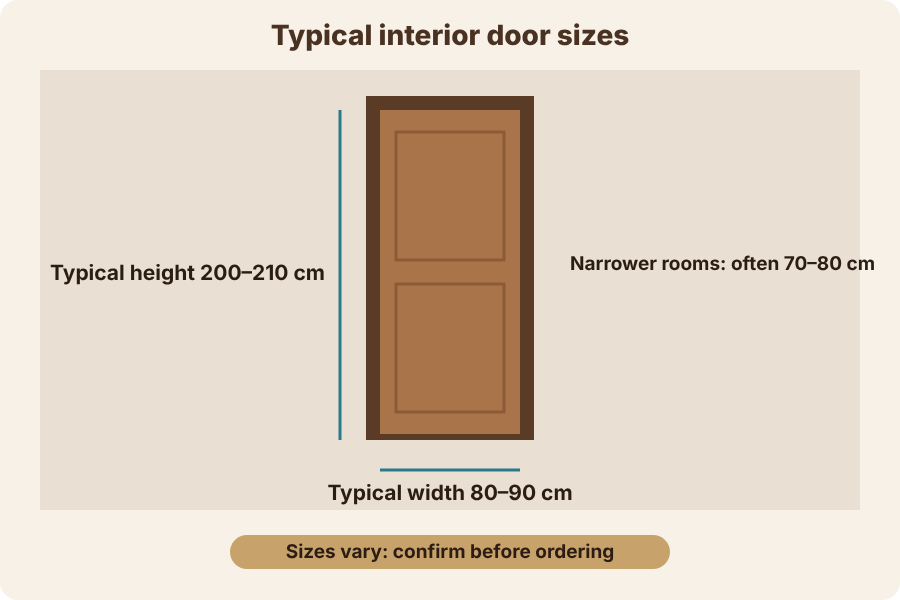
- Total width: measure the finished opening precisely, and allow for the frame, since the final clear width is slightly smaller than the wall opening.
Opening styles
| Style | How it works | Consider |
|---|---|---|
| Swing both leaves | Both open into or out of the room | Needs clear floor on the swing side |
| One leaf fixed | One leaf stays closed, bolted when widening is needed | Saves floor, still looks like a pair |
| Sliding | Leaves slide along a track | Needs wall length beside the opening |
Swing doors give the most traditional look but sweep a large arc, so check furniture, rugs and other doors. Think about which side has more free floor and whether the doors will stay open during gatherings.
Material and finish choices
Wide leaves are heavier and more prone to warping if poorly built, so a well-constructed door with a stable core and quality hinges matters more than on a standard door. Painted finishes give a formal feel and suit classic rooms, while melamine and HPL provide wood-like or modern surfaces with reliable durability. PVC is more commonly chosen for wet areas than for reception rooms. For double doors, use more hinges per leaf than you would on a single door, and discuss this with your supplier.
Details that make wide openings look grand
- Matching leaves: both leaves should have identical finish and panel layout.
- Hardware: a pair of handles placed symmetrically, with a good lock or bolts for the fixed leaf.
- Frame and trim: a wider architrave helps frame the large opening.
- Glass inserts: frosted or clear glass can bring light between rooms, if privacy allows.
- Sound: double doors typically let more sound through at the centre gap, so pick tight seals if noise matters.
How to choose what suits your home
- Room use: formal reception rooms suit symmetrical double leaves; family living areas may prefer sliding or one-fixed-leaf layouts.
- Floor space: measure the swing arc against sofas, rugs and neighbouring doors.
- Light and privacy: consider glazed panels where you want brightness, solid where you want separation.
- Humidity and climate: choose a stable, well-built material for large leaves and avoid wet areas for wood-based finishes.
- Budget: two leaves, extra hinges and a wider frame cost more than a single door, so plan the opening from the start.
- Maintenance: large painted surfaces show marks, so choose a finish that is easy to wipe or touch up.
Browse the Dali shop to see styles and finishes for double doors and wide openings.