Using Glass and Light: Brighter Hallways and Darker Rooms Done Right
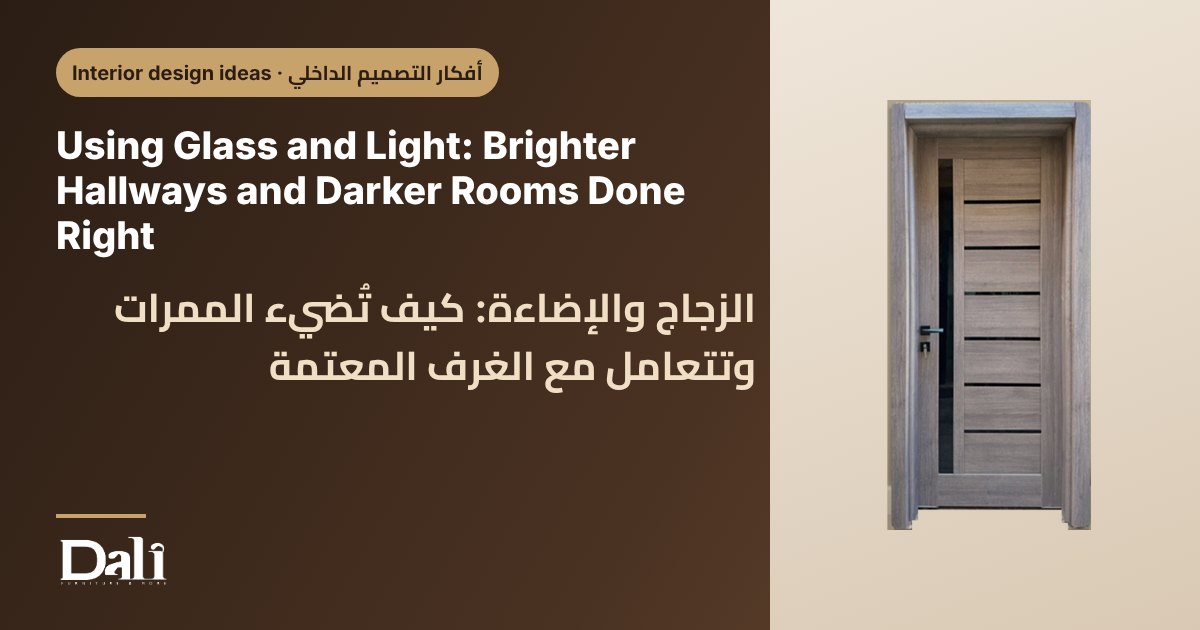
Many apartments have a hallway or an inner room with little or no natural light. Instead of relying on lamps all day, you can let doors help. Glass panels, light colours and a bit of planning can move daylight deeper into the home while keeping the privacy each room needs.
Why doors affect how bright a home feels
A solid closed door blocks light completely. When several rooms open off a windowless corridor, that corridor stays dark whenever the doors are shut. A door with a glazed section, or a lighter surface colour, lets light travel from room to room and helps the space feel more open.
Glass options and what they do
Not all glass behaves the same. The type you choose depends on the room and the level of privacy you want.
| Glass type | Effect | Where it suits |
|---|---|---|
| Clear | Maximum light and view | Between living and dining areas, home offices |
| Frosted or satin | Light passes, views are blurred | Corridors, kitchens, some bedrooms |
| Textured or patterned | Soft, decorative light, strong privacy | Hallways and bathroom-adjacent areas |
| Tinted | Softer light, a more subdued look | Rooms with strong sun |
Glazed panels can be full height or a narrow vertical strip within a door leaf. A smaller glazed section usually gives a more modern look and keeps the door feeling solid. For safety, ask for glass that is suitable for doors, such as tempered or laminated types, especially in family homes with children.
Where to use glass, and where not to
- Hallway to living room: a glazed door lets daylight reach the corridor.
- Kitchen: frosted glass can bring light in while hiding clutter and managing cooking visibility.
- Home office: clear or lightly frosted glass keeps a connection to the home without full closure.
- Bedrooms and bathrooms: these usually benefit from solid doors for privacy and sound, or at most heavily frosted small panels.
Making dark rooms feel lighter
Even without glass, a few decisions help a dim room.
- Pale colours: white, ivory and light wood-effect finishes reflect more light.
- Satin sheens: a slight sheen bounces light without strong glare.
- Matching the wall: a door in the same tone as the wall makes the room appear continuous and larger.
- Warm lighting: pair doors with warm LED lighting in the corridor to avoid a cold look.
For rooms that are already very bright, such as a sunny south-facing living room, deeper door colours can feel grounding rather than gloomy. The same dark door in a windowless corridor, however, tends to make it feel smaller.
Practical points
Glass adds weight and needs a stronger door structure and suitable hinges, so discuss glazing with your supplier before ordering. Cleaning is also part of the picture: fingerprints on clear glass show more than on frosted. Think about sound as well, since glazed doors usually let more noise through than solid ones. Lastly, remember that in strong Egyptian sun, glass facing the afternoon light can make a room warm, so use it between interior spaces rather than on sun-exposed walls.
How to choose what suits your home
- Room use: glass for shared spaces, solid doors for bedrooms and bathrooms.
- Privacy: frosted or patterned glass gives light with discretion.
- Light level: the darker the corridor, the more it benefits from glass or pale finishes.
- Humidity: in kitchens and bathrooms choose frames and materials that handle moisture, such as PVC.
- Family: use safety-suitable glass, especially with young children.
- Budget and maintenance: a small glazed panel costs less and is easier to keep clean than a full-glass door.
Browse the Dali shop to find door styles and finishes that bring more light into your home.