Coordinating Doors, Skirting and Frames: The Details That Finish a Room

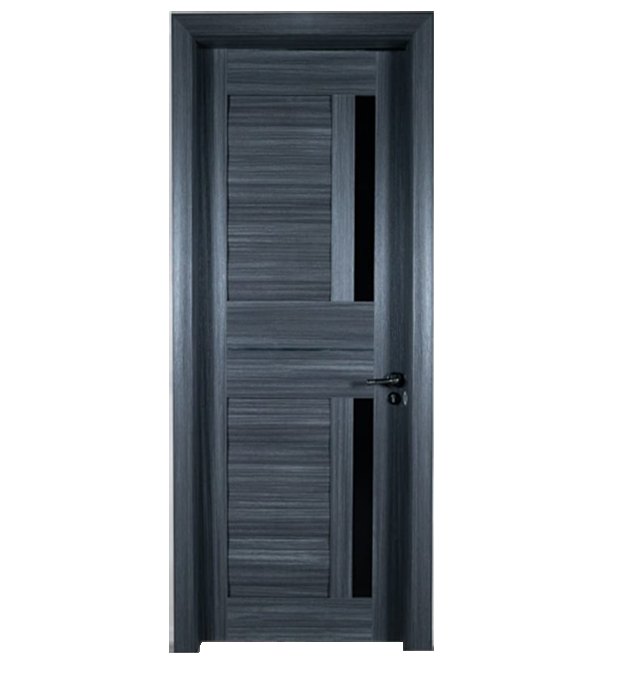
A room can have beautiful walls and a well-chosen door and still feel unfinished. Often the missing link is how the door, its frame and the skirting board relate to one another. These three elements meet at the bottom corner of nearly every opening, and when they are coordinated the whole room looks calm and professionally finished.
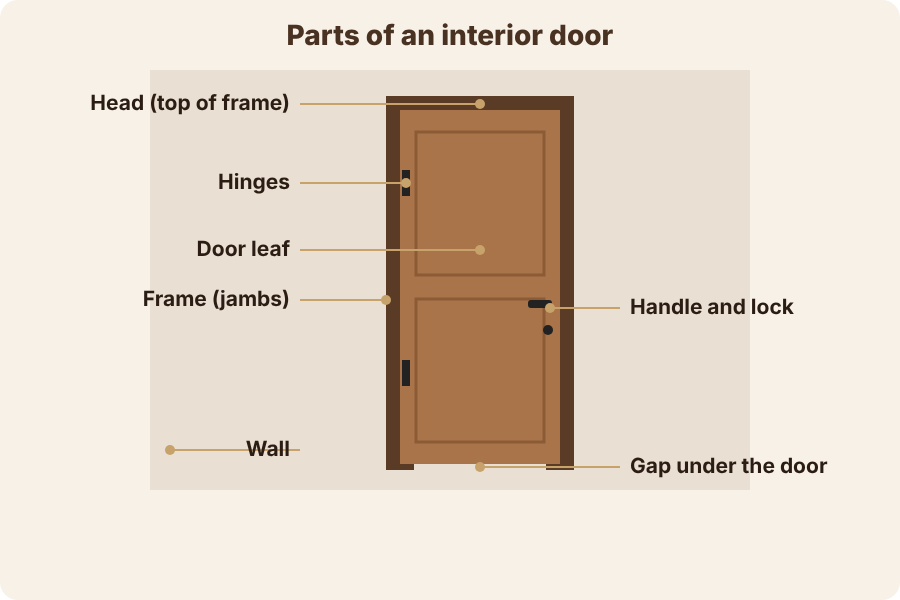
The parts that need to work together
A door set is made of more than the door leaf. The frame surrounds the opening, the architrave or trim covers the joint between frame and wall, and the skirting runs along the base of the walls. Each can be a different colour, height and profile, so it pays to decide them together rather than one at a time.
- Door leaf: the main visual surface, with its finish and panel design.
- Frame: holds the hinges and lock strike; its colour affects how bold the door looks.
- Architrave or trim: decorative edge that softens the transition to the wall.
- Skirting: protects the wall base and visually links the rooms.
Three reliable colour strategies
There is no single correct answer, but these approaches usually look good.
| Strategy | How it looks | Good for |
|---|---|---|
| All in one colour | Door, frame and skirting share one shade, calm and seamless | Small apartments, modern interiors |
| Frame matches door | Door and frame together, skirting in white or wall colour | Feature doors, bold colours |
| Frame and skirting match | Door stands out, trim and base unify the room | Classic and traditional rooms |
Whichever you choose, repeat it consistently from room to room. A home where each room follows a different rule feels disjointed, even if every room looks good on its own.
Heights and proportions
Skirting height should suit the room. Taller skirting usually pairs with high ceilings and classic styles, while lower, slimmer skirting suits modern minimal interiors. If your door has a panel pattern or mouldings, a skirting profile with a similar level of detail looks more consistent than a plain strip beside an ornate door.
Pay attention to where the skirting meets the architrave. A neat junction, with the skirting stopping cleanly against the trim, looks far better than a cut that leaves a gap. This is a detail for your carpenter or installer to plan before the work begins.
Hardware, floors and walls
Handles, hinges and locks should repeat a single finish across the home. Black, brass tones and brushed steel are all popular, but mixing them randomly can look careless. Also think about the floor: a door that is slightly lighter or darker than the floor usually looks better than one that almost matches it but not quite. Finally, check the wall colour against the frame in daylight before painting, since a frame in a close but different tone can look like a mistake.
Material consistency
Doors, frames and skirting should be considered as a set when it comes to material too. In humid rooms such as bathrooms, a moisture-friendly material like PVC for the door and frame helps keep the finish stable. In dry living areas, melamine, HPL or painted options give you more design variety. Using the same surface family across the home keeps the colour match easier to maintain.
How to choose what suits your home
- Ceiling height: taller ceilings suit taller skirting and wider architrave.
- Style: modern homes look best with simple, flat profiles; traditional homes benefit from moulded edges.
- Humidity: choose moisture-friendly materials for bathrooms and kitchens, and plan skirting materials to match.
- Budget: coordinated colour costs little and gives the biggest visual return, so start there.
- Family and pets: skirting takes knocks from vacuums and furniture, so choose a finish that is easy to wipe or touch up.
- Maintenance: painted trim can be refreshed easily; laminated and PVC surfaces simply need a damp cloth.
Browse the Dali shop to see door styles and finishes you can coordinate with your frames and skirting.