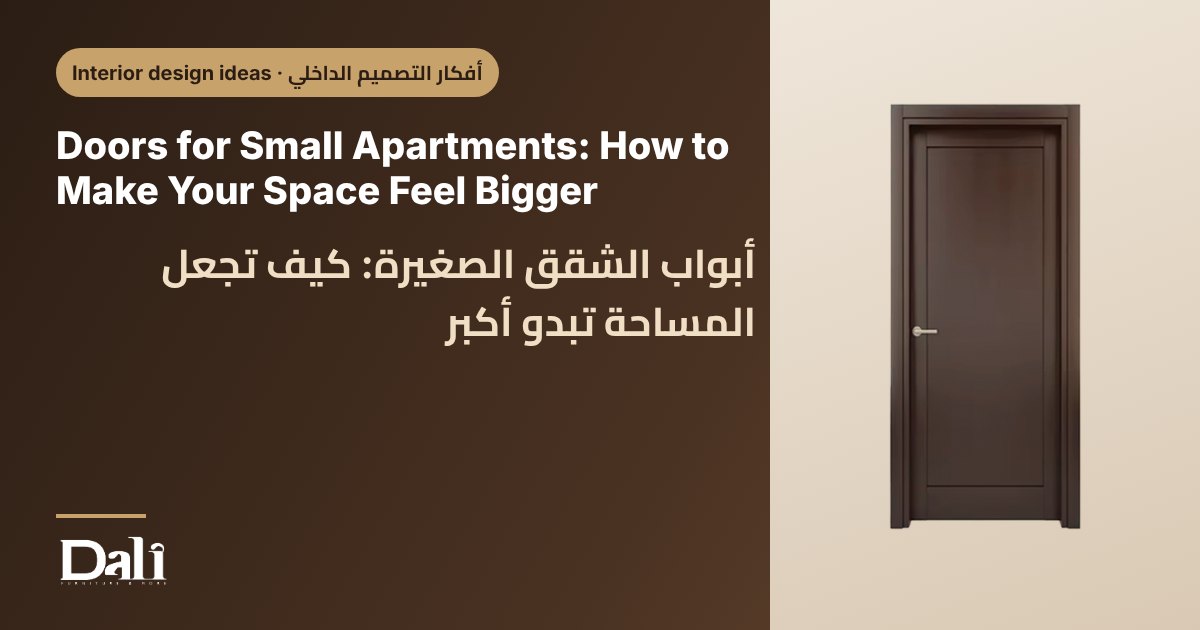
Doors for Small Apartments: How to Make Your Space Feel Bigger
In a small apartment every centimetre counts, and doors are easy to overlook. Yet a door that swings into a tight bedroom, or a dark door in a narrow corridor, can make the whole home feel smaller. A few thoughtful choices can free up floor space, bounce light around and make the layout feel calmer.
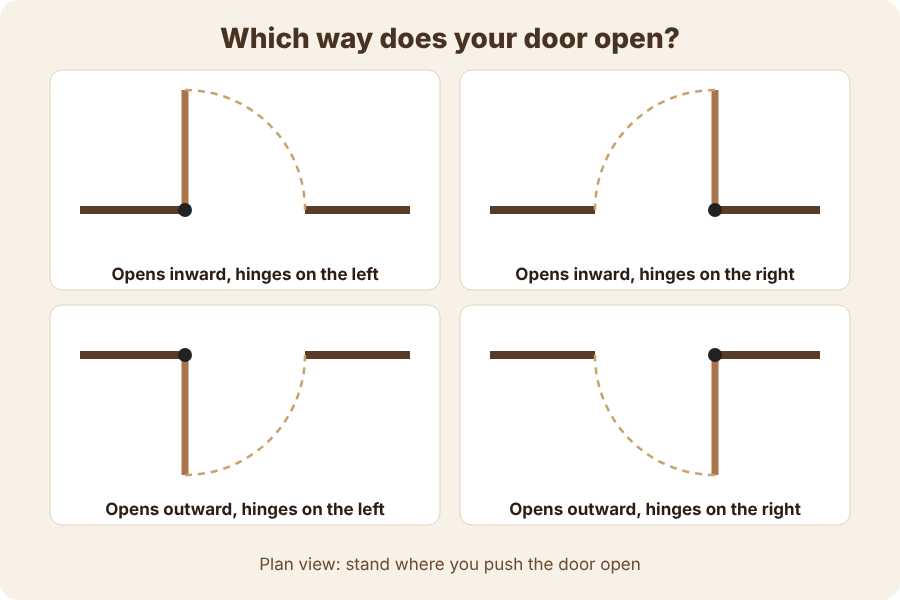
Think about the swing first
A standard hinged door needs a clear arc of floor to open. In a small room, that arc often collides with a bed, a wardrobe or a desk. Before choosing a style, mark the swing on the floor with tape and check what it blocks.
- Open toward the larger space: usually into the corridor or the room with more free floor, as long as it does not block other doors.
- Avoid doors that clash: two doors that open toward each other in a narrow hallway are a common annoyance.
- Use the wall: a door that opens flat against a blank wall wastes less room than one that stops in the middle of the space.
- Consider alternatives: where a swing truly does not fit, sliding or pocket systems may be possible, but they need wall planning and suitable hardware, so decide this early in the renovation.
Colour and finish for a lighter feel
Light colours reflect more light and visually blur the boundary between wall and door. Painting doors in the same shade as the walls, or in a close tone, makes them recede so the corridor feels continuous. White, warm off-white and soft grey are popular choices for this reason.
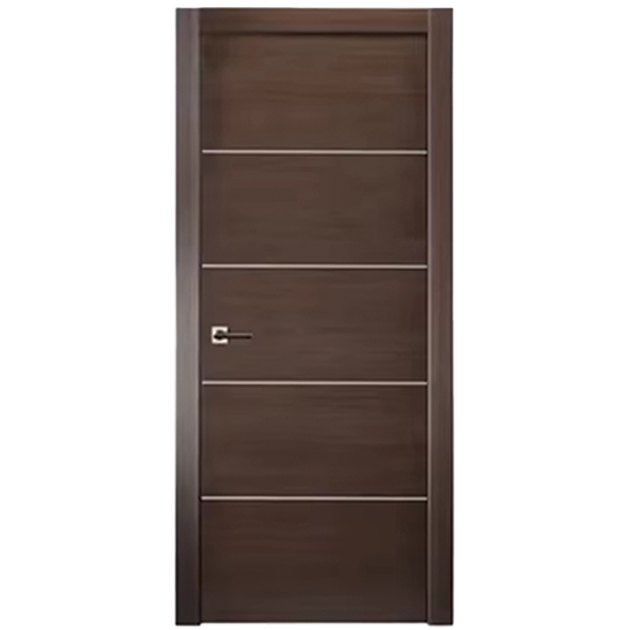
A matt or satin surface is usually more forgiving than a high gloss, which can show every fingerprint and reflect clutter. If you like wood tones, lighter oak-style melamine or HPL finishes keep the warmth without making a narrow space feel heavy.
Reduce visual clutter
Small homes feel larger when lines are clean and consistent.
- Choose flat or lightly detailed doors rather than heavily panelled ones.
- Use the same door design in all rooms so the eye does not jump from style to style.
- Keep the frame colour close to the wall so it does not create a heavy outline.
- Pick slim handles that stay flush and do not catch bags or clothes in a tight hallway.
Match the material to each room
In small apartments, bathrooms and kitchens are often compact and humid, so a moisture-friendly material matters more than usual. PVC suits these spaces well, while melamine, HPL or painted doors work in bedrooms and living areas.
| Space | Practical focus | Suggested direction |
|---|---|---|
| Entrance and corridor | Light and flow | Pale painted or light melamine |
| Bedrooms | Privacy and quiet | Solid-feel door in a calm tone |
| Bathroom | Moisture | PVC |
| Kitchen | Steam and cleaning | PVC or a wipeable finish |
Add light where you can
If a hallway has no window, a door with a glazed section can borrow light from a neighbouring room. Frosted or textured glass keeps privacy while letting brightness through. Use this idea for rooms where privacy is not critical, and keep bedrooms and bathrooms solid.
How to choose what suits your home
- Measure the swing: check the door arc against furniture before ordering.
- Light tones: choose white, off-white or the wall colour to make corridors feel wider.
- Humidity: pick PVC for bathrooms and kitchens, and finishes you can wipe clean for busy areas.
- Budget: a single consistent model across the apartment is often simpler to plan and gives a cleaner look.
- Family needs: think about noise and privacy for bedrooms, especially if children or elders share the space.
- Maintenance: smooth, flat surfaces are quicker to clean than detailed ones in a small home.
Browse the Dali shop to find door styles and finishes that make your apartment feel brighter and more spacious.