Classic and Neoclassical Doors for Traditional Interiors
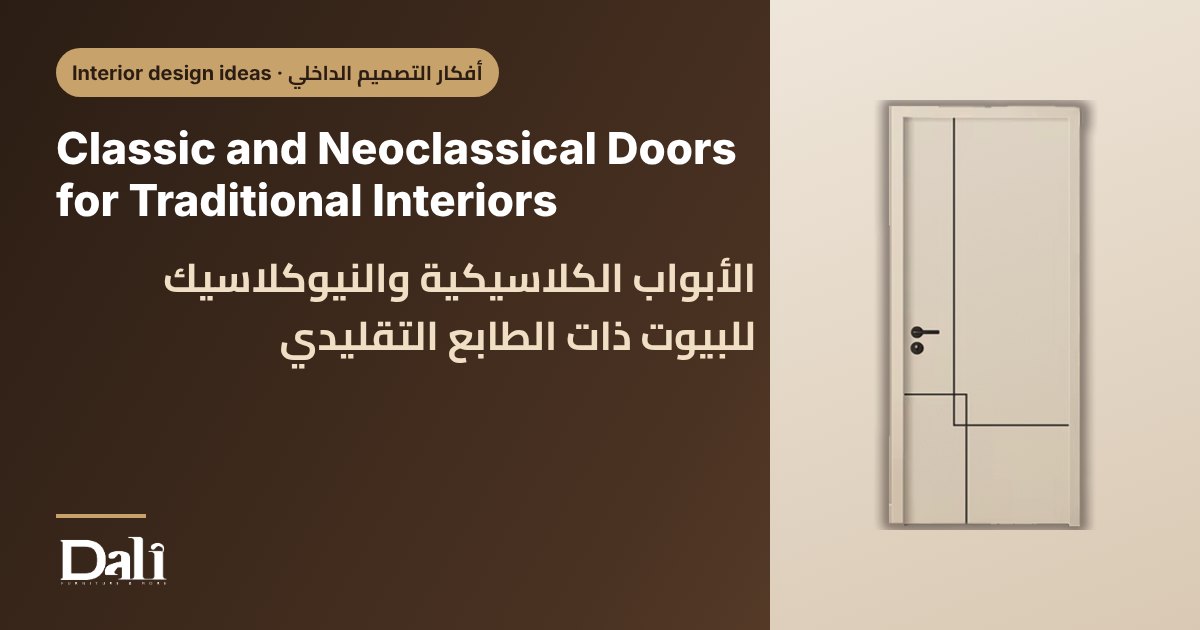
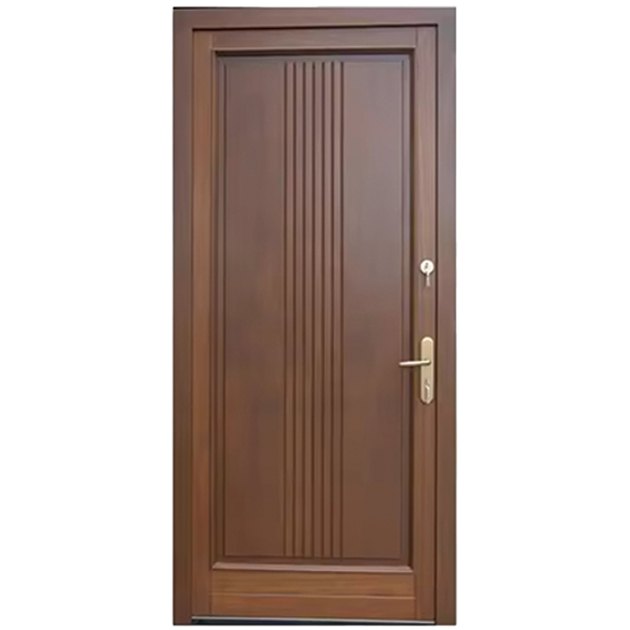
Classic and neoclassical interiors depend on symmetry, balanced proportions and carefully layered detail, and the doors are among the strongest tools for creating that look. Whether your apartment has high ceilings and decorative cornices or you simply prefer a formal, timeless style, the right door sets the tone for every room it opens into.
What defines a classic door
The most recognisable feature is the panel. Classic doors are usually divided into framed rectangles, often four to six panels, with mouldings that create soft shadow lines around each one. Neoclassical designs tend to be a little cleaner: fewer panels, finer grooves and a more restrained profile, but the same sense of order.
- Symmetry: panels are arranged evenly so the door looks balanced from both sides.
- Mouldings: grooves or raised profiles around each panel add depth without needing heavy ornament.
- Proportion: taller doors look more elegant in rooms with high ceilings, so consider the full opening height.
- Matching frame: a wider frame or architrave around the opening completes the formal look.
Finishes that suit traditional rooms
Painted finishes are the natural choice. Ivory, warm white, soft grey and pale beige are classic, and a satin or semi-gloss sheen highlights the mouldings. If you prefer the warmth of wood tones, melamine and HPL are available in wood-effect finishes that can echo walnut or oak, while PVC suits rooms where moisture is a concern.
| Finish | Traditional character | Best suited to |
|---|---|---|
| Painted | Elegant, soft and bright, shows mouldings clearly | Living rooms, reception areas, master bedrooms |
| Melamine (wood-effect) | Warm, traditional wood feel at a practical level | Bedrooms and corridors |
| HPL | Durable surface with a refined look | Busy family spaces |
| PVC | Practical and moisture-friendly | Bathrooms and kitchens |
Hardware and surrounding details
Hardware can make a classic door look either authentic or out of place. Lever handles in brass tones or antique finishes usually work well, while very sharp modern shapes can clash. Choose hinges and lock plates in the same finish across the whole home so the details feel like one family.
Do not forget what surrounds the door. Tall skirting boards, cornices and picture-rail lines look best when their colour relates to the door and frame. In a traditional room, painting the door, frame and skirting in the same shade is a simple way to look deliberate and polished.
Keeping tradition practical
A traditional look does not mean giving up practicality. In Egyptian homes, humidity, dust and daily use all matter, so it helps to think about where each door sits. Mouldings collect dust more than flat doors, so a quick wipe with a soft damp cloth is usually enough to keep them clean. In wet areas, choose a moisture-tolerant material even if the style stays classic, and keep the surface continuous with the rest of the home.
You can also mix levels of detail. Use fully panelled doors in the reception and master bedroom, and simpler neoclassical versions for secondary rooms. This keeps the character consistent while controlling budget and visual weight.
How to choose what suits your home
- Room height: with high ceilings, choose taller doors and wider frames to keep proportions right.
- Light: painted doors in pale tones reflect light well in dim corridors; darker wood tones suit bright, large rooms.
- Humidity: use PVC or other moisture-friendly finishes in bathrooms and kitchens, and keep wood-effect looks for dry rooms.
- Budget: reserve the most detailed designs for the rooms guests see, and use simpler profiles elsewhere.
- Maintenance: panels and mouldings need occasional dusting; a smooth painted surface is easiest to touch up.
- Consistency: match handle finish, frame colour and skirting across the home for a coherent result.
Browse the Dali shop to see classic and neoclassical door styles and find the finish that fits your home.