Modern Minimalist Door Styles for Contemporary Homes
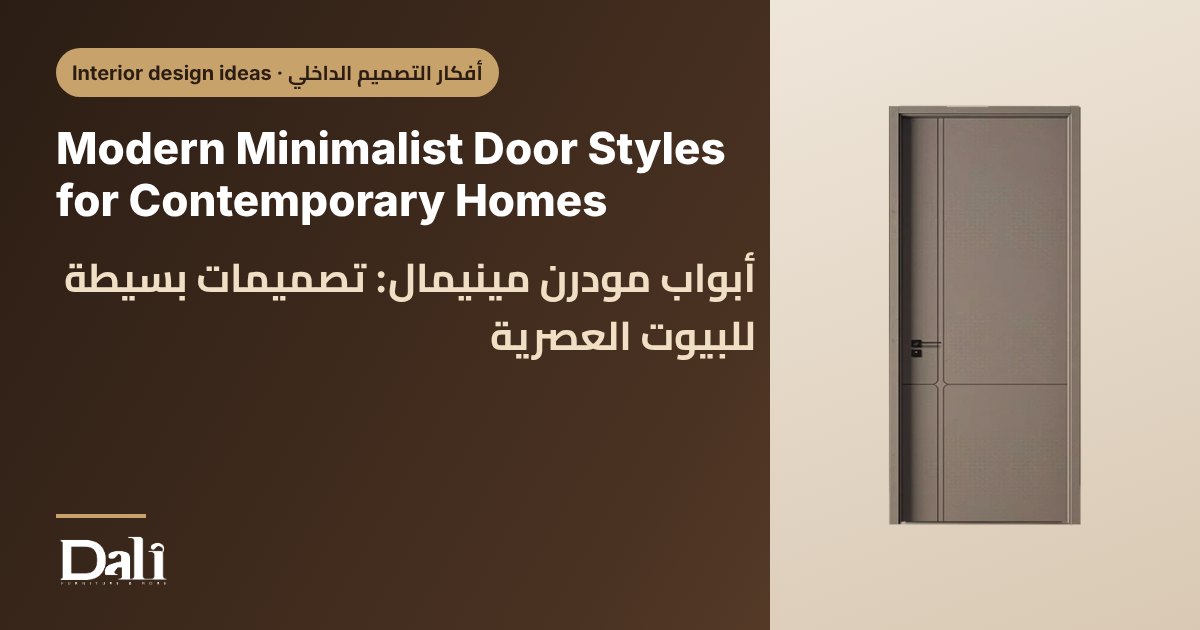
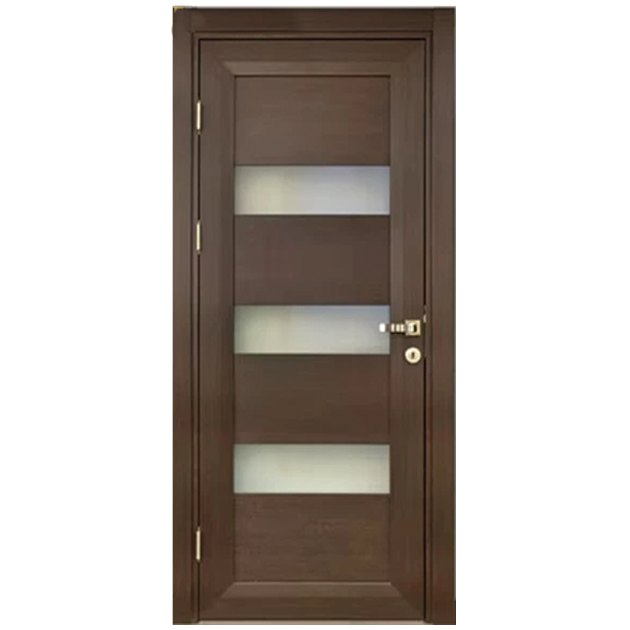
Minimalist design is about doing more with less: calm surfaces, clean lines and nothing unnecessary. In a contemporary home, the door is a good place to apply this idea, because a plain well-made door can make a whole space feel orderly and spacious. Here is what defines a modern minimalist door and how to get the look right.
What defines the style
- Flat, plain panels. No heavy carving, moldings or decorative frames. The leaf is a smooth surface.
- Clean geometry. Straight edges, sharp but safe corners and even gaps all around.
- Neutral or muted colors. White, warm grey, soft beige, light wood tones or deep matte shades.
- Simple hardware. Slim lever handles, concealed hinges where available and minimal escutcheons.
- Subtle texture. A fine wood grain, a matte surface or a soft-touch finish adds warmth without clutter.
Popular minimalist options
Flat white or off-white door
The classic choice. It disappears into white walls and brightens corridors. Matte paint or a smooth PVC or HPL surface keeps the look crisp and is easy to wipe.
Light wood-look door
A subtle oak-style or ash-style grain brings warmth, a feature often associated with Scandinavian-inspired interiors. It pairs well with light floors and simple furniture.
Dark matte door
Deep charcoal, anthracite or dark brown tones give a bold, gallery-like contrast against white walls. Best in rooms with good light, and bear in mind that dark finishes show dust and marks more clearly.
Door with a single line detail
Some minimalist doors add one thin groove or a single vertical line as the only decoration. It adds a refined detail without breaking the calm.
Details that make the difference
| Detail | Why it matters |
|---|---|
| Even gaps around the leaf | Straight, tight lines are the heart of the style |
| Slim or hidden frame | Keeps the wall and door visually continuous |
| Matching hardware | Handles, hinges and locks in one finish look intentional |
| Floor-to-ceiling feel | Taller doors, where the structure allows, add a sense of height |
| Consistent color | One door tone through the home looks calm |
Which finishes suit minimalism
Smooth finishes carry the style best. HPL and PVC give uniform, durable surfaces, melamine offers many wood-look and solid-color options, and painted finishes allow a refined matte or satin look in a chosen shade. Because minimalist doors have no decoration to hide flaws, edge quality and flatness matter even more than usual.
Common mistakes
- Mixing several door styles and colors, which breaks the calm.
- Choosing very glossy surfaces that reflect every fingerprint.
- Ignoring the frame, which can look heavy if it is a different color or too thick for the style.
- Adding ornate handles to an otherwise plain door.
Minimalist doors room by room
In bedrooms, a plain door brings calm. In corridors, repeating the same style and color creates visual flow. In bathrooms and kitchens, a smooth, moisture-friendly surface is easiest to maintain. In children's rooms, a simple colored handle can add a playful note without leaving the style.
How to choose what suits your home
- Small apartments: white or light doors matching the wall color make rooms feel bigger.
- Homes with children: pick a hard-wearing flat surface like HPL that handles daily wiping.
- Humid areas: choose PVC or HPL for bathrooms and kitchens, in the same tone as your other doors.
- Warmth: if pure white feels cold, a light wood grain softens the look.
- Maintenance: matte light colors are forgiving, while very dark or glossy ones need more frequent wiping.
To see which simple, clean designs fit your home, browse the Dali shop.