Matching Door Colors with Floors and Walls

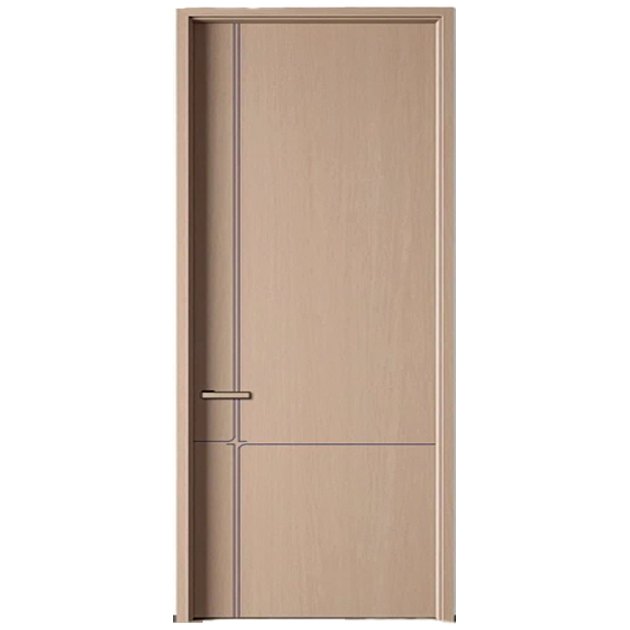
The color of your doors is one of the quiet decisions that shapes how a home feels. Doors cover a large vertical area and appear in almost every view, so they should work with the floor and the walls instead of fighting them. Here are some simple principles that designers commonly use, followed by examples you can adapt.
Start with the floor and the walls
Look at three things before choosing: the floor color, the wall color, and the light in the room. Doors are the connecting element, so they usually echo one of these or offer a deliberate contrast.
Three reliable approaches
1. Door close to the wall color
Painting or choosing doors in the same or a very similar shade as the walls makes them blend in. The result is calm, and rooms look larger and more continuous. This works especially well in small apartments and in minimalist interiors.
2. Door close to the floor tone
Matching the door to the floor, such as warm wood-look doors with wood-look flooring, creates a warm and cohesive feel. It is traditional and safe. Try not to match too exactly: a door slightly lighter or darker than the floor often looks more intentional than an almost-identical shade.
3. Deliberate contrast
White or light doors on darker floors, or darker doors against light walls, give a crisp, defined look and highlight the architecture. Contrast suits larger rooms and modern styles, but be mindful that it makes each door a strong visual feature.
Consider undertones
Colors have warm or cool undertones. Beige, cream and wood tones lean warm. Grey, blue-grey and some whites lean cool. Mixing a warm door with a cool floor can look mismatched even if each color is nice on its own. Compare samples together, in the room's actual light, before deciding.
Examples by color combination
| Floor and walls | Door options | Effect |
|---|---|---|
| Light beige floor, white walls | White, off-white or light oak look | Bright, airy, clean |
| Dark wood floor, light walls | White or mid-tone wood look | Balanced contrast |
| Grey tiles, white walls | White, light grey or soft anthracite | Modern and neat |
| Warm marble look, cream walls | Cream, ivory or warm light wood | Elegant and soft |
| Colored accent walls | Neutral door in white or a calm tone | Lets the wall stand out |
Practical tips
- Keep one door color through the main corridor and public rooms, then allow variation inside private rooms if you wish.
- Match the handle and hardware finish to other fixtures for a tidy look.
- Dark doors show dust and fingerprints more, and light doors show scuffs and dirt near the handle. Choose according to how much cleaning you are willing to do.
- Take a sample or compare against swatches in the actual room, because lighting changes colors a lot.
How to choose what suits your home
- Small or dim rooms: light doors close to the wall color help the space feel larger and brighter.
- Family homes: consider easy-to-clean finishes and mid-tones that hide everyday marks.
- Bathrooms and kitchens: choose moisture-friendly finishes such as PVC or HPL in a color that matches the room's tiles or cabinets.
- Style: classic homes suit warmer, paneled and painted looks, while modern homes suit flat, clean surfaces.
- Future flexibility: neutral doors survive changes of wall color, while bold doors may need rethinking later.
Explore the colors and finishes available at the Dali shop and picture them against your own floors and walls.