How to Tell a Good Quality Door from a Poor One

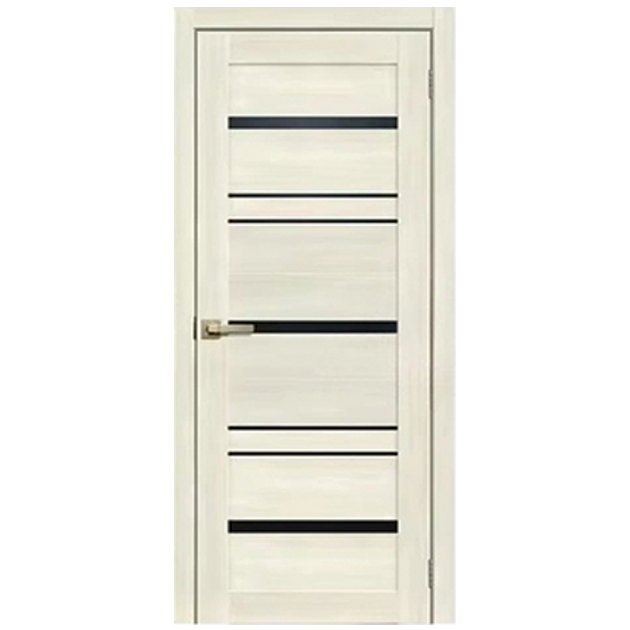
Two doors can look alike in a photo and behave very differently after a year at home. You do not need to be an expert to judge quality. A few careful minutes of inspection, either at the shop or when the delivery arrives, will reveal most of what matters. This guide lists what to look at and what to ask.
Look at the edges and corners
Edges are where cheap work shows first. On a good door, edges are clean, straight and fully covered by the finish or edge band, with no gaps, bubbles or peeling. Corners should be crisp and consistent. Rough, uneven or open edges let moisture in and are a common starting point for swelling.
Check the surface and finish
- Look at the door in daylight and from a low angle. The surface should be even, without waves, bubbles, patches or visible dust under the finish.
- Color should be consistent across the whole leaf, and the pattern or grain on printed or laminated surfaces should look natural, not stretched.
- On painted doors, check for runs, orange-peel texture and uneven sheen.
- Press lightly: the surface should not feel soft or hollow in unexpected places.
Test flatness and squareness
Stand the leaf on edge or lay it on a flat floor. A good door sits flat and straight, without bowing along its height or twisting at the corners. Hold a straight edge along the face if you can. Measure the diagonals: they should be almost equal. A leaf that is not square will never hang properly, no matter how skilled the carpenter is.
Feel the weight and the construction
Weight alone does not prove quality, since different constructions are meant to be lighter or heavier. But a door should feel solid and consistent, with no rattling inside and no flexing when you press the center. Ask the seller how the door is built and what the core and facing are. A clear, honest answer is a good sign.
Frame, hinges and hardware
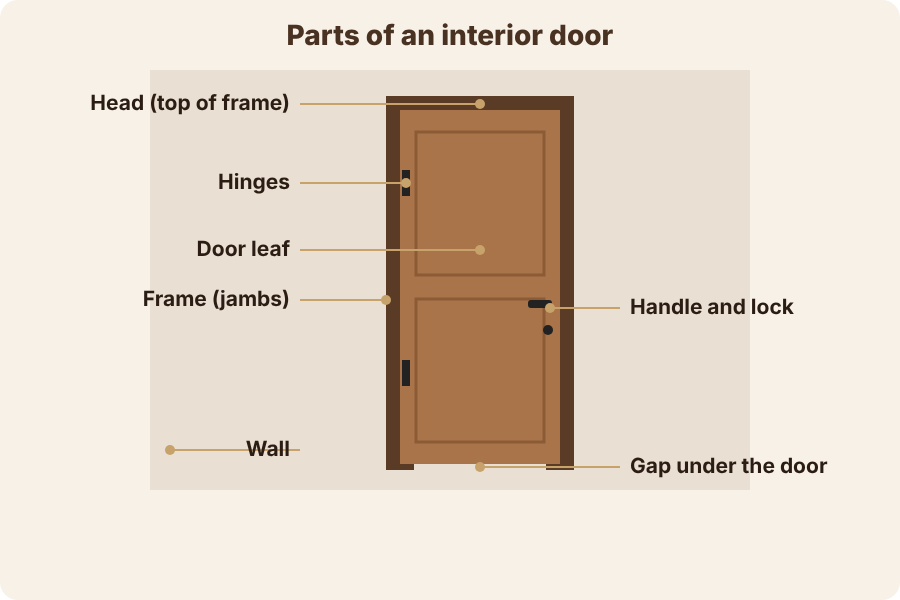
- Frame: straight, well finished, with tidy joints and no chipped edges.
- Hinges: sturdy, smooth in motion, and sufficient in number for the weight of the leaf.
- Lock and handle: operate smoothly, latch cleanly and feel firm rather than loose.
- Screws: neat, same type, and not stripped.
Good versus poor: a quick comparison
| Point | Good sign | Warning sign |
|---|---|---|
| Edges | Sealed, straight, tight | Open, peeling, rough |
| Surface | Even and consistent | Bubbles, waves, patches |
| Flatness | Flat, equal diagonals | Bowed or twisted |
| Hardware | Smooth, firm, well fitted | Loose, rough, light-weight parts |
| Information | Clear details from the seller | Vague or no answers |
Ask the right questions
- What is the door made of, and which rooms is it suitable for?
- How are the edges protected?
- What sizes are available, and can the measurements be confirmed before production or delivery?
- What is the return or replacement process if the door arrives damaged?
How to choose what suits your home
- Wet areas: pay extra attention to edge sealing and choose PVC or HPL where moisture is constant.
- Everyday rooms: a well-made melamine or painted door can serve well if edges and surfaces check out.
- Children and heavy use: choose harder surfaces and good hardware.
- Budget: a very low price should make you inspect more carefully, while a higher price should come with visible quality.
- Delivery: inspect on arrival, before signing or before installation, and report problems quickly.
Take your time comparing designs and finishes at the Dali shop, and choose the door that checks all these boxes for you.