Safe Doors for Children and Elderly Family Members
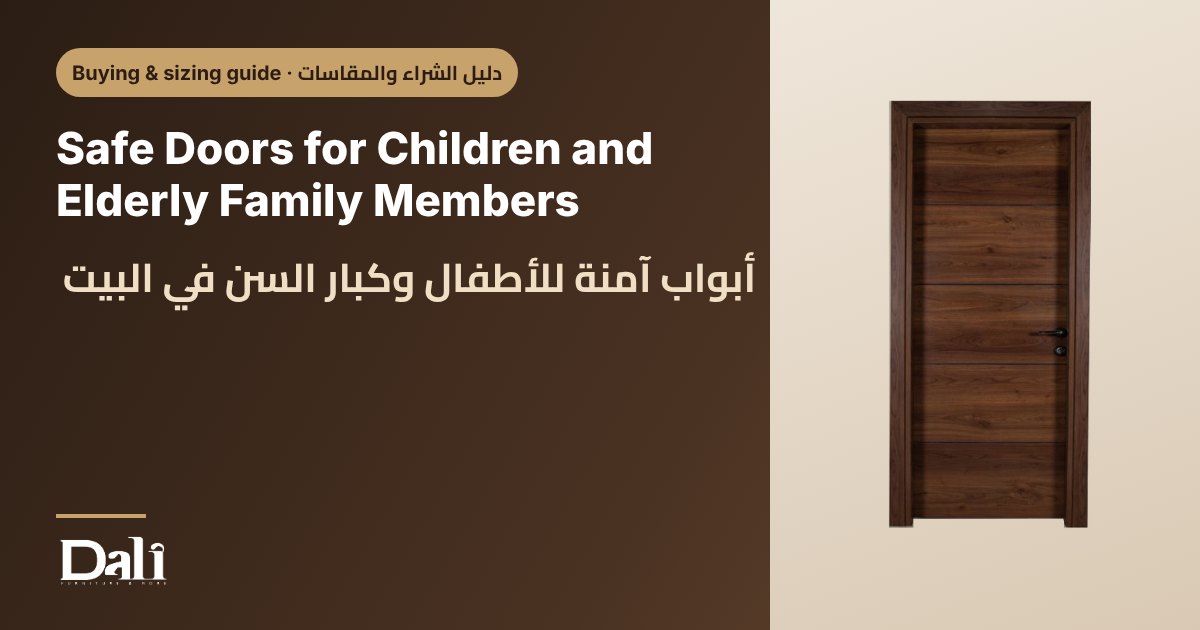
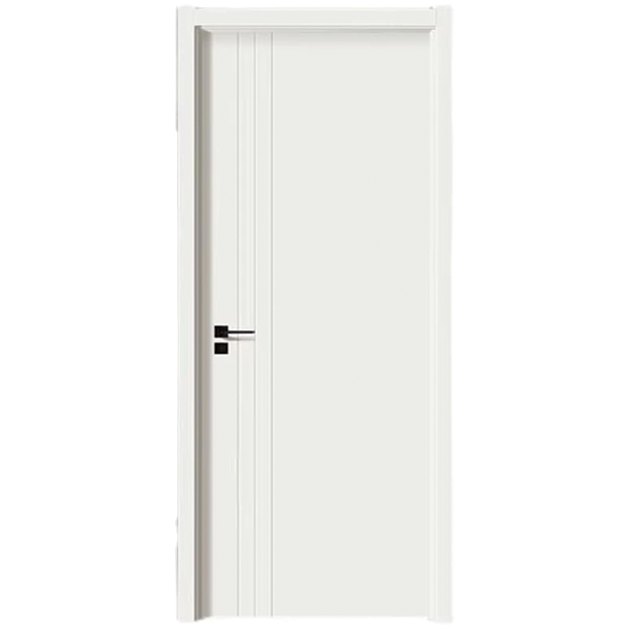
Doors look harmless, but they are the source of many small household accidents: pinched fingers, children locked in bathrooms, older relatives struggling with heavy leaves or tripping over a raised threshold. A few thoughtful choices at the time of buying and fitting can prevent most of these. This guide is general home-safety advice, not a substitute for professional guidance.
Protecting children
- Pinched fingers. The hinge side and the gap along the frame are the danger zones. Finger-guard strips, soft stoppers or door cushions are inexpensive ways to reduce the risk. Ask the carpenter to keep gaps even.
- Slamming. Fit door stoppers on the wall or floor so a leaf cannot swing back hard, and consider soft-close accessories where suitable.
- Bathroom and bedroom locks. Choose locks that parents can open from outside in an emergency, for example with a simple release tool. Keep the tool where adults can reach it quickly but young children cannot.
- Handle height and type. Lever handles are easier for small hands, but make sure children cannot easily open doors you want to keep closed, such as to a balcony or kitchen.
- Glass panels. If a door includes glass, make sure it is suitable for the location and, where relevant, of a safer type. Ask the supplier what is available.
Supporting elderly family members
- Width. A wider opening makes it easier to pass with a walking aid or wheelchair. Typical leaves are around 80-90 cm, and the clear passage is a little narrower once the frame and the open door are taken into account, so check the usable width.
- Handles. Lever handles are generally easier to use than round knobs for people with weaker grip or arthritis.
- Light, smooth operation. A leaf that glides easily and does not stick is safer and less tiring. Good hinges and correct fitting matter here.
- Thresholds. Avoid raised thresholds where possible, or keep them very low and clearly visible, because they are a common trip hazard.
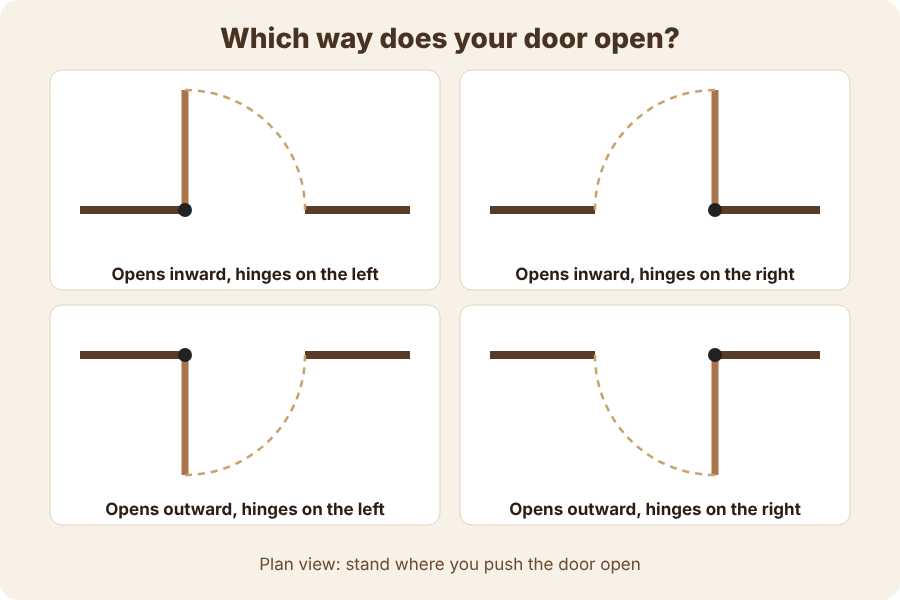
- Swing direction. In bathrooms, a door that opens outward or can be released from outside makes help easier to give if someone falls inside. Check this against your layout.
- Contrast and lighting. A door color that contrasts slightly with the wall helps people with weaker eyesight find the opening, and a night light in corridors helps too.
A quick safety checklist
- No sharp edges or protruding corners at head or child height.
- Hinges and screws tight and flush.
- Stoppers installed behind every door that could hit a wall or furniture.
- Locks that can be released from the outside in bathrooms and children's rooms.
- Floors near doors dry and non-slip.
Small details that matter
Walk through your home once with a child's eyes and again at an older relative's pace. Sit at a child's height and look at edges and handles, then walk the corridor slowly. A small threshold, heavy leaf or high handle may stand out as a real problem. Safety rarely means replacing every door; inexpensive accessories and better fitting often do the job.
How to choose what suits your home
- Homes with toddlers: prioritize finger guards, stoppers and easy-release locks over decoration.
- Homes with older adults: choose lever handles, wider openings and smooth, light operation.
- Bathrooms: pick a moisture-friendly finish and a lock that can be opened from outside in an emergency.
- Rooms children use daily: durable, easy-to-wipe surfaces such as HPL or PVC hold up to play and cleaning.
- Budget: low-cost accessories like stoppers and finger guards bring a large safety benefit, so include them in your plan.
Browse the Dali shop to choose doors that fit your family's needs, and ask about sizes and options before you order.