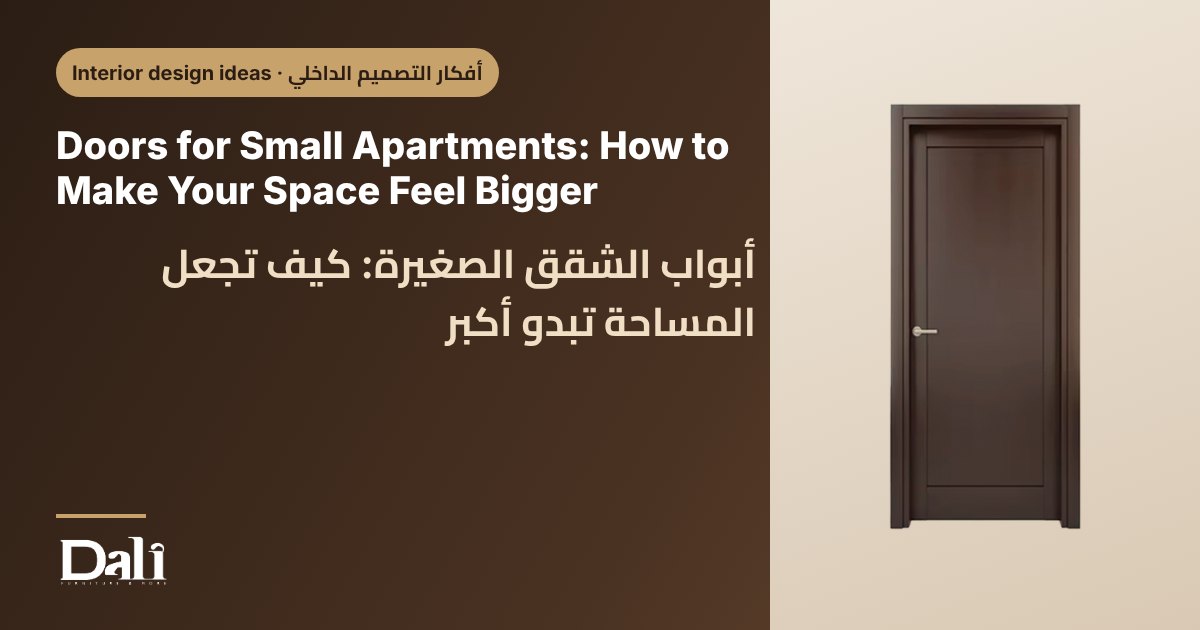
Doors for Apartments vs Villas: Different Homes, Different Needs
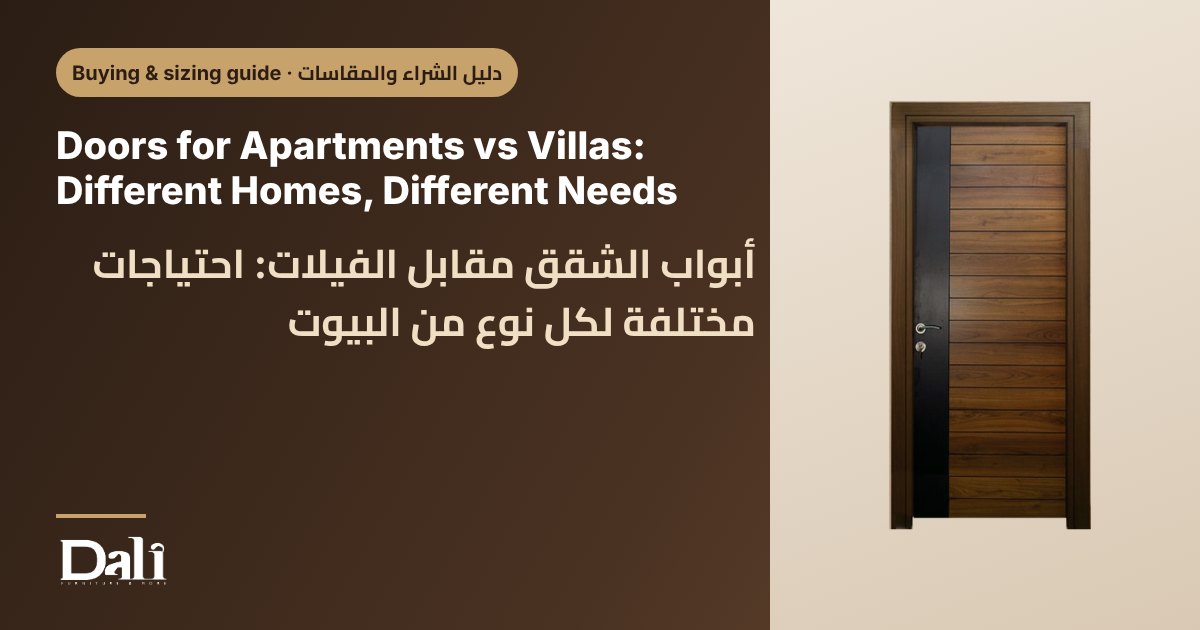
A door is a door, but the home around it changes what you should ask from it. An apartment with compact rooms and shared walls has different priorities from a villa with several floors, wide corridors and large rooms. This article compares the two so you can plan more sensibly.
Apartments: space, privacy and consistency
In apartments, corridors are often short and rooms are close together. Doors open into small spaces, so how they swing matters a lot.
- Swing and clearance: check that a leaf will not hit furniture, another door or a wall. In tight layouts, the direction of opening can decide how usable a room feels.
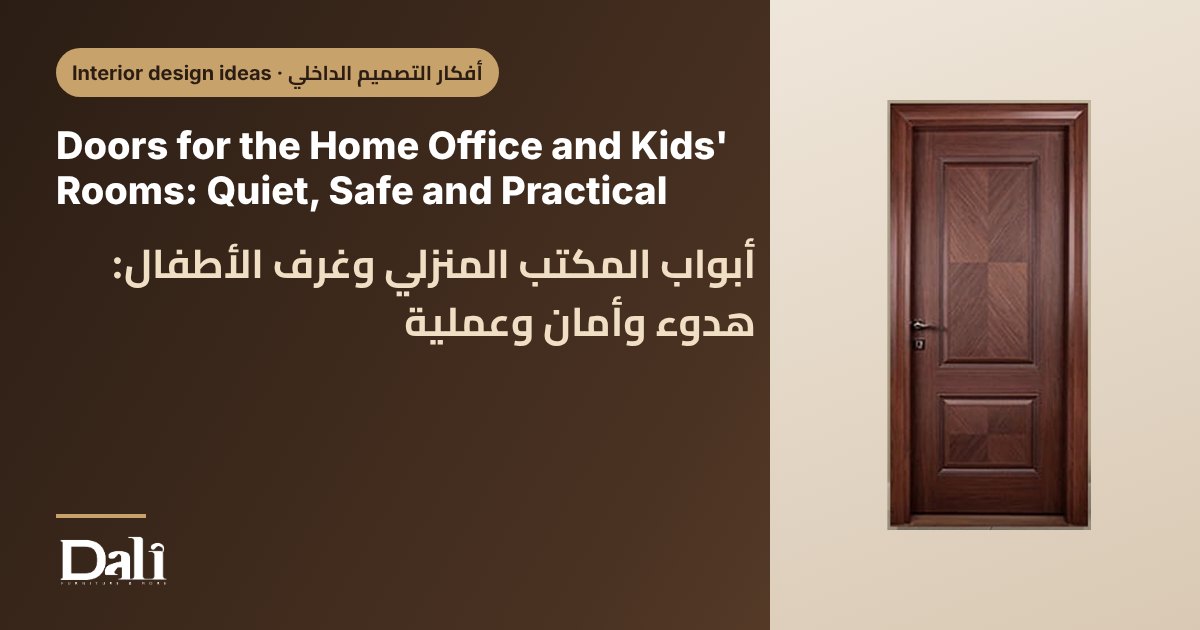
- Privacy: bedrooms and bathrooms need leaves that close fully and latch well. Doors that fit tightly generally help reduce sound passing between rooms.
- Visual consistency: because spaces are small and open to each other, using one door style and color throughout makes the apartment look calmer and larger.
- Practical finishes: kitchens and bathrooms benefit from moisture-friendly surfaces such as PVC or HPL.
Villas: scale, variety and character
Villas offer more freedom but also more decisions. There are more doors, larger openings and often several distinct zones, such as reception, family area, bedrooms and service spaces.
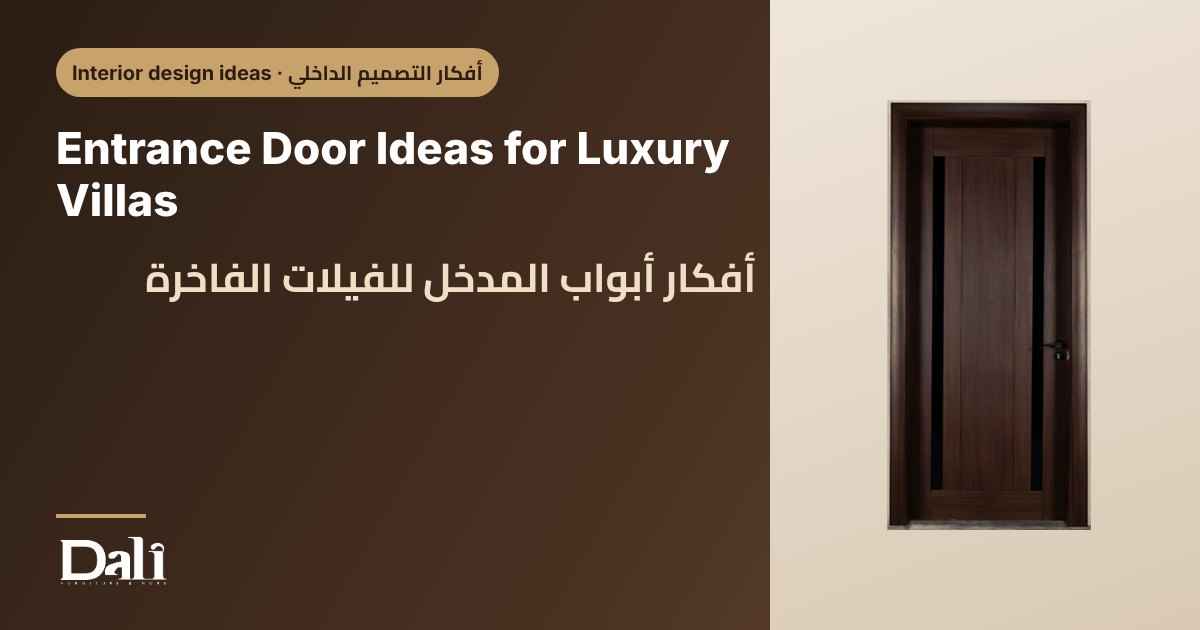
- Different roles by zone: you can pair a more decorative door for the reception area with practical ones for the service areas and bedrooms.
- Larger or non-standard openings: some villas have taller or wider openings, so measurements should be confirmed before ordering instead of assuming standard sizes.
- Floor-to-floor planning: ground-floor doors near gardens and entrances may face more dust and humidity than upper-floor bedroom doors.
- Quantity and budget: with many doors, small differences in cost per door add up, so a clear plan by room is useful.
Side-by-side summary
| Point | Apartment | Villa |
|---|---|---|
| Space | Compact, swing direction is critical | More room, openings may vary |
| Style | One consistent style works best | Can vary by zone while keeping a theme |
| Quantity | Fewer doors | Many doors, plan by room |
| Typical focus | Privacy and tidy look | Character and durability across zones |
| Measurements | Often close to typical sizes | Verify each opening |
What both have in common
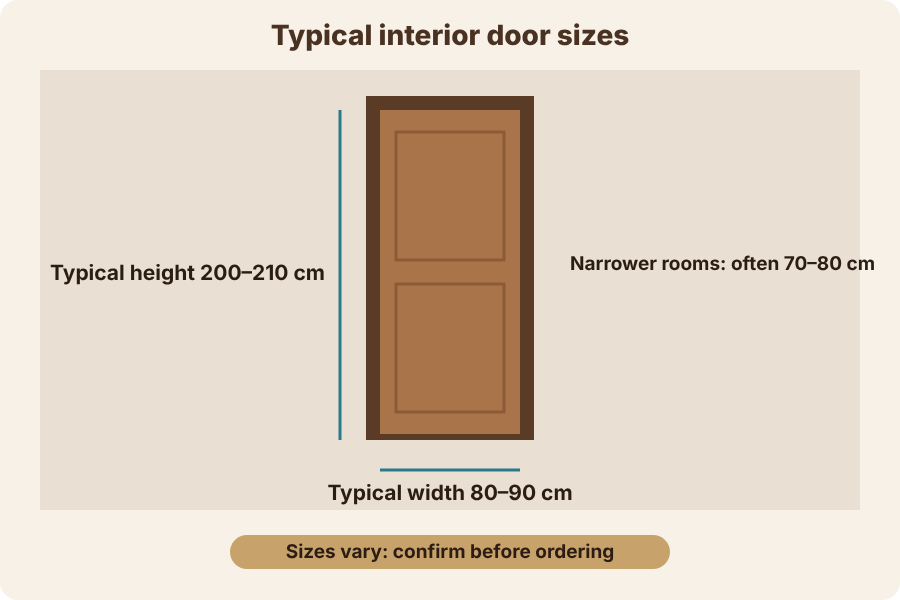
Whatever the home, the same basics apply. Measure the real opening, choose the finish according to the room's humidity and use, ensure the frame is installed straight, and use good hinges and locks. Typical interior leaves are around 80-90 cm wide and 200-210 cm high, but both apartments and villas can depart from that, especially in older buildings.
Noise and privacy
Apartments share walls, so reducing noise between bedrooms and living areas is often a priority. A tight, evenly fitted door usually helps more than a good door fitted with wide gaps. In villas, rooms are further apart, but privacy still matters between floors and between guest and family zones.
How to choose what suits your home
- Small apartment: pick light colors and a single style to make the space feel open, and check swing direction for each door.
- Family apartment: choose scratch-tolerant, easy-to-wipe finishes for children's rooms and corridors.
- Villa reception areas: consider a more distinctive design or painted finish to set the tone, keeping the same family of colors throughout.
- Villa service and bathroom areas: choose practical moisture-friendly finishes and plan for easy cleaning.
- Budget: invest more in the doors people see and use most, and keep the rest simple but well made.
- Future changes: if you may repaint or redecorate, neutral door colors adapt more easily.
Whether you are furnishing a flat or a villa, browse the Dali shop to find doors that suit each space.