Door Handles: Styles, Materials and Comfort
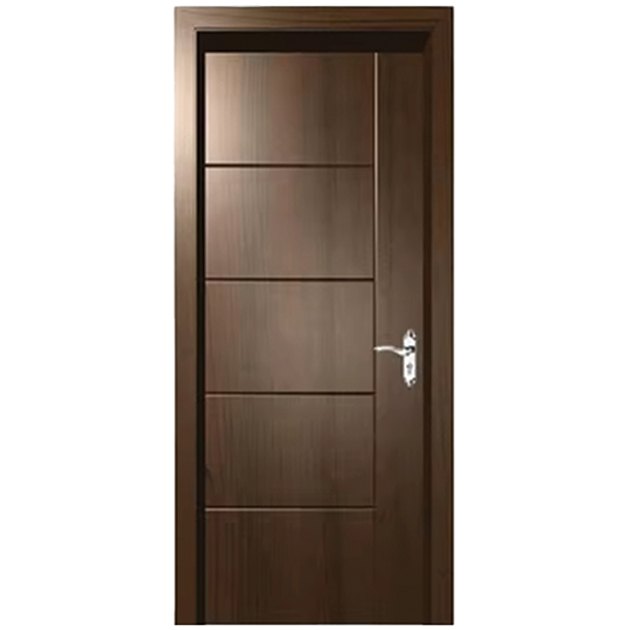
The handle is the one part of a door you touch every single time. It sets the tone of a room, affects how comfortable the door is to use, and can quietly improve or spoil an otherwise good door. Choosing it well is a small decision that you will appreciate daily.
Lever or knob?
Lever handles are the most common choice for interior doors today. They are easy to use with a wrist, an elbow or a full hand, which suits children, elderly relatives and anyone carrying things. Round knobs have a classic look and take less space, but they need a firmer grip and can be harder for some people to turn. If comfort is your priority, a lever is usually the more practical option.
Common styles
- Straight modern levers: slim and minimal, good for flat contemporary doors.
- Curved levers: soft lines that feel comfortable in the hand and suit most interiors.
- Classic ornamental handles: decorative shapes that match panelled or traditional doors.
- Round knobs: a traditional or vintage feel, often on closets and small rooms.
Materials and finishes
Handles are commonly made from metals such as brass, zinc alloy, stainless steel or aluminium, and finished in chrome, matte black, brushed steel, gold-tone or other colours. Each finish behaves differently with daily use.
| Finish | Look | Care notes |
|---|---|---|
| Chrome | Bright and reflective | Shows fingerprints but wipes clean easily |
| Matte black | Modern and bold | Use a soft cloth; harsh scrubbing may wear the coating |
| Brushed steel | Subtle, hides marks | Practical for busy households |
| Gold-tone | Warm and decorative | Avoid abrasive cleaners |
Quality depends on more than the finish: a solid, well-built handle feels weighty, without play or rattling, and its spring returns it firmly to position.
Comfort and placement
Handles are typically fitted at a comfortable hand height, around the middle of the door, though the exact position depends on the lock and the door design. Make sure there is enough space between the handle and the frame to avoid scraped knuckles. Check that the lever does not hit a wall or a piece of furniture when the door opens. Rosettes and backplates should sit flat against the leaf without wobbling.
Matching with the rest of the home
You do not need the same handle throughout the home, but a consistent finish is wise. Many people use one finish across all doors, then change only the style between formal rooms and private ones. Think also about cabinet handles and light switches, since the overall effect is what you notice.
Test before you commit
If possible, hold the handle in your hand before buying. Press it with your palm, with your fingers and with your elbow, as you would while carrying shopping. A good handle feels natural in all three ways.
How to choose what suits your home
- Room: choose simple, easy-to-wipe handles for kitchens and bathrooms, and more decorative ones for living areas.
- Climate and humidity: in damp or coastal areas prefer finishes with good corrosion resistance and wipe moisture off regularly.
- Budget: a handle is a small part of the total, so avoid choosing the very cheapest option for doors used all day.
- Family: lever handles are easier for children and older relatives; choose rounded edges if little ones run around.
- Style: match the handle to the door design: slim for flat doors, more detailed for panelled ones.
- Maintenance: brushed or matte finishes tend to hide fingerprints, while shiny ones need more frequent wiping.
Browse the Dali shop to see our doors and imagine the handle that completes them.