Door Frames (Khalon): Types, Materials and How to Choose
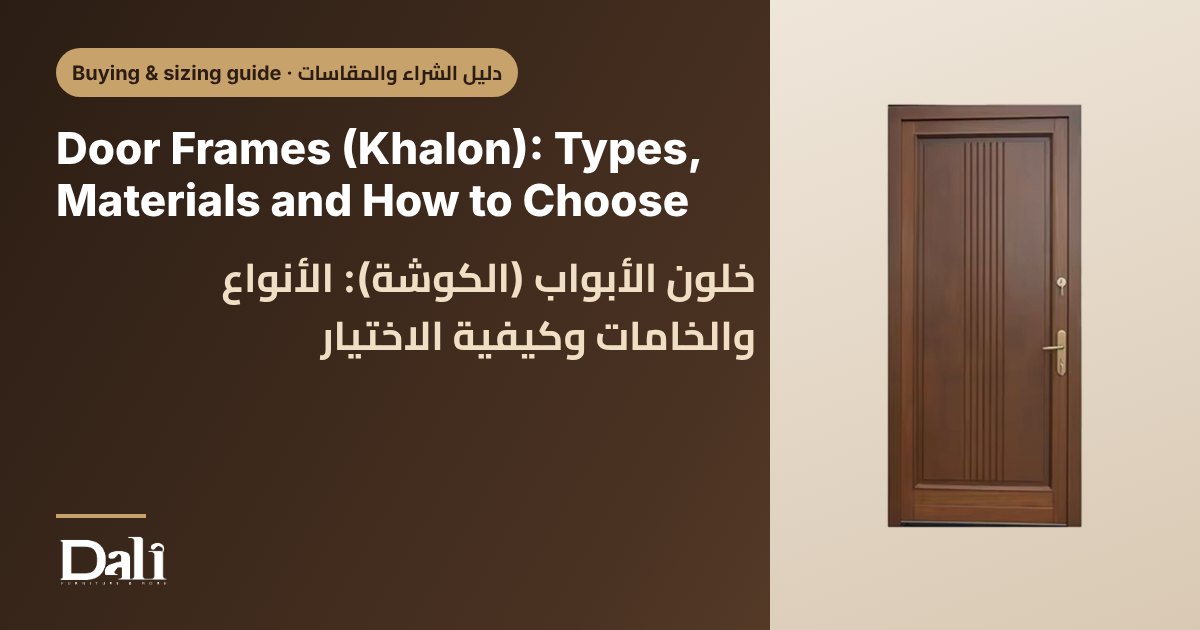
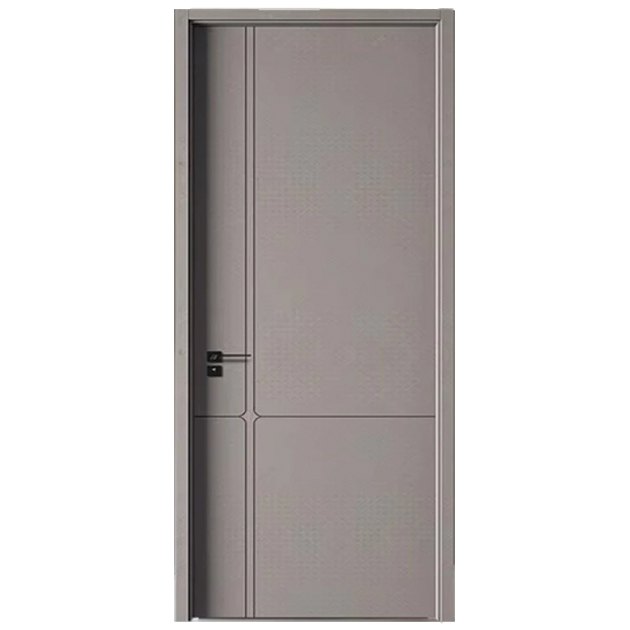
The frame, known in Egypt as the khalon or koosha, is the part of the door you rarely think about and rely on every day. It carries the hinges, holds the lock strike, and links the door to the wall. A strong, accurate frame keeps the leaf closing smoothly for years; a weak or badly sized one causes sticking, gaps and rattling.
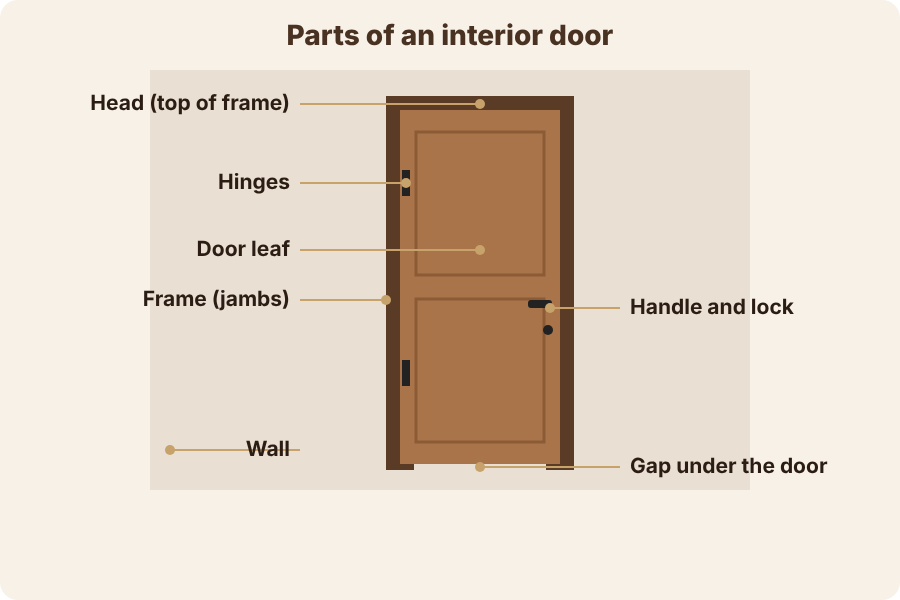
The parts of a frame
- Jambs: the two vertical sides that carry the hinges and the lock strike.
- Head: the horizontal piece across the top.
- Stop: the small ridge the closed leaf rests against, which also helps seal gaps.
- Architrave or casing: the trim that covers the joint between frame and wall and gives a neat finish.
- Threshold: sometimes used at the bottom, although many interior doors have none.
Common frame materials
Interior frames are usually made from wood-based materials, often finished to match the leaf. Solid timber frames are valued for their strength and can hold heavier doors well. Engineered wood-based frames covered with melamine, PVC, HPL or paint are widely used because they give a consistent finish and can match the door exactly. For wet rooms, a moisture-resistant covering such as PVC is a sensible option. Whatever the core, ask how the frame is built and what protects the lower ends, since water on floors tends to reach them first.
| Frame type | Typical advantages | Worth checking |
|---|---|---|
| Solid timber | Strong, good for heavy doors | Seasonal movement and finish protection |
| Wood-based with melamine or HPL | Matches the leaf, practical finish | Edge sealing, especially near water |
| Wood-based with PVC | Suits damp rooms, easy to clean | Colour match with the leaf |
| Painted frame | Any colour, can be repainted | Care to avoid chips |
Matching the frame to the wall
The depth of the frame must suit the thickness of the finished wall, including plaster and tiles. Some frames are made in one piece for a specific thickness, while others use adjustable trims to cover small differences. Measure the wall carefully and tell the supplier about any tiles that are still to be fitted. A frame that is too shallow leaves ugly gaps, and one that is too deep may stand out from the wall.
Installation matters as much as material
Even a good frame performs badly if it is fixed out of plumb. It should be level, square and well anchored, with even clearance around the leaf. Take care that the fixing foam or mortar does not push the frame inward. Installing the frame before the final floor and paint finishes can help it match the surroundings, but coordinate this with your contractor.
Signs your frame needs attention
Watch for a door that sticks in humid weather, a latch that no longer lines up, or a visible gap that grows along one side. These often point to a frame that has moved slightly or hinges that have loosened. Small problems can usually be corrected by tightening screws or adjusting the strike plate, but a frame damaged by water at the bottom may need professional repair.
How to choose what suits your home
- Room: choose moisture-friendly coverings such as PVC for bathrooms and kitchens.
- Climate and humidity: in damp or coastal areas, protect the bottom of the jambs and avoid frames left unsealed.
- Budget: a solid, accurate frame is worth the spend, because replacing it later means damaging walls and finishes.
- Family: if doors are slammed often by children, ask for a sturdy frame with a well-fixed stop.
- Style: match the frame colour to the leaf for a clean look, or contrast them deliberately for a modern feel.
- Maintenance: wipe-clean coverings and sealed edges make frames much easier to look after.
Browse the Dali shop to see doors and frames together and choose a set that suits your rooms.