Solid Core vs Hollow Core Doors: Which Is Better for You?
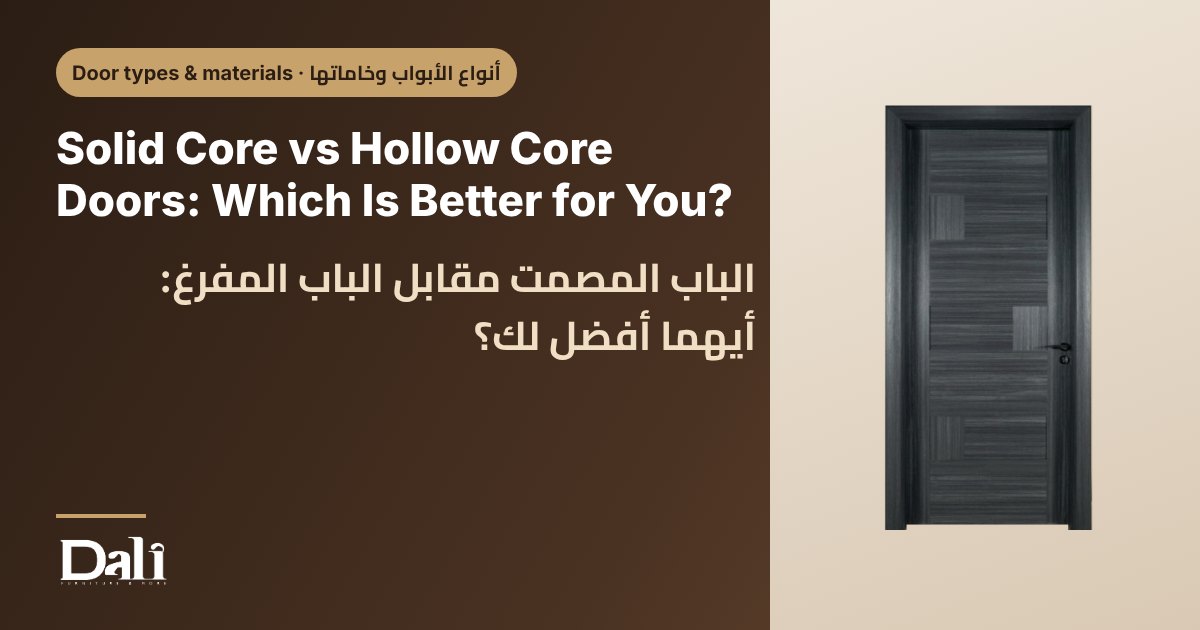
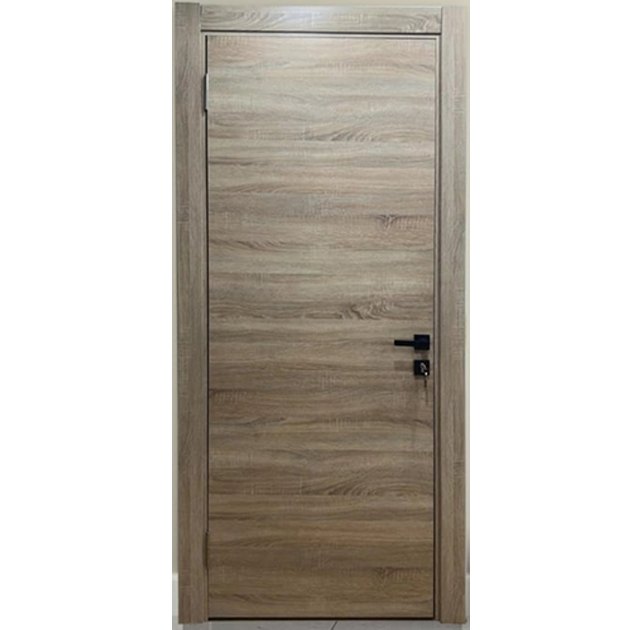
Two interior doors can look identical from the outside and still behave very differently. The difference is inside the leaf: the core. Understanding solid core and hollow core construction helps you spend money where it matters and avoid disappointment later.
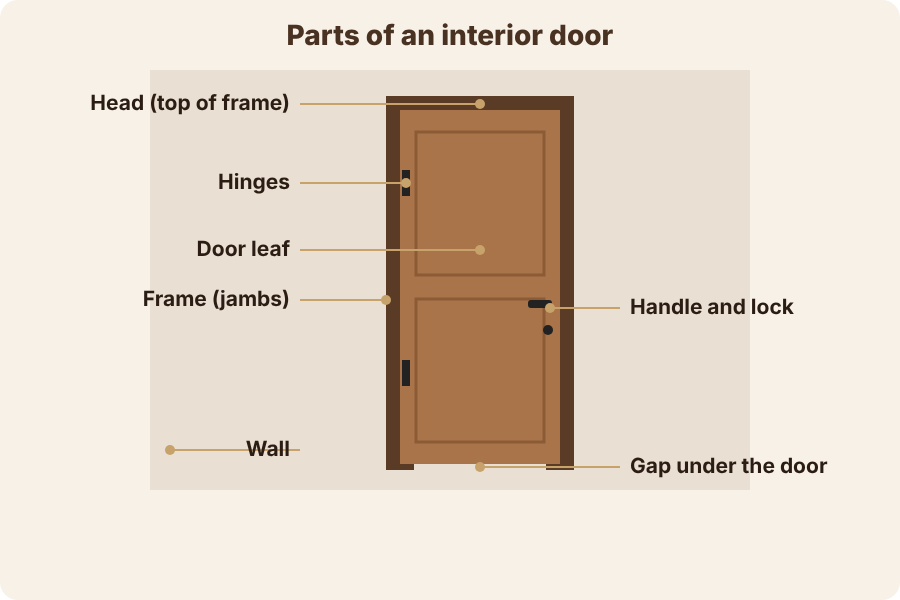
How the two types are built
Hollow core doors have a light perimeter frame, with thin skins on both faces and a mostly empty interior. The cavity may contain a lightweight honeycomb or similar filler to hold the skins apart and give some stiffness. These doors are light and economical.
Solid core doors have a dense interior, such as compressed wood-based board, chipboard or particleboard, or a combination of materials. Because they contain more material, they are heavier and stronger, and they usually feel more substantial when you close them.
There are also semi-solid designs in between, where the frame is reinforced or the core is partly filled. These can offer a useful compromise.
Key differences
| Aspect | Hollow core | Solid core |
|---|---|---|
| Weight | Light, easy to handle | Heavier; needs strong hinges |
| Sound reduction | Limited | Noticeably better |
| Strength and impact | Fine for normal use; can dent | More resistant to knocks |
| Fixings | Screws hold best in the frame area | Holds hardware and hinges better |
| Cost | Lower | Higher |
| Typical use | Bedrooms, wardrobes, low-traffic rooms | Entrances to bedrooms, offices, busy areas |
Which surface goes on which core?
Surface finishes such as PVC, melamine, HPL and paint can be applied over either type of core. The surface decides appearance and cleaning, while the core decides weight, feel and sound. A hollow leaf with a premium finish is still a hollow leaf, so compare the core as carefully as you compare the colour.
Where each type makes sense
- Hollow core: suitable for rooms where privacy and sound are less critical, such as storage rooms, wardrobes, and secondary bedrooms. Their light weight puts less stress on hinges and frames.
- Solid core: better for master bedrooms, home offices, nurseries and doors along noisy corridors, where a more substantial feel and better sound control are valued.
- Wet areas: the core must be moisture-resistant. A solid core that absorbs water can swell, so check the material and not only its density.
Fitting and hardware tips
- Use three hinges on heavier solid leaves, rather than two, to share the load and reduce sagging.
- Check that the frame is strong and well fixed; a heavy leaf in a weak frame will drag.
- For hollow doors, avoid cutting large holes in the leaf for hardware unless there is reinforcement at the lock position.
- Weigh doors when comparing; the feel in your hand tells you a lot about the core.
Common mistakes with cores
A frequent mistake is judging a door only by its looks, or assuming a higher price means a solid core. Ask directly about the core and the leaf thickness. Avoid hanging a heavy leaf on weak hinges and a light frame, since it will sag within months. Equally, there is no need to use solid leaves everywhere; wardrobes and utility rooms often do well with lighter doors.
How to choose what suits your home
- Room: solid for bedrooms and offices where quiet matters; hollow for closets and utility rooms.
- Climate and humidity: in humid places, prioritise moisture-resistant cores and sealed edges over density alone.
- Budget: mix core types, using solid in key rooms and hollow elsewhere, to balance cost.
- Family: children who slam doors will test hollow doors faster; a sturdier leaf may last longer.
- Style: core type does not change appearance, so choose the finish separately.
- Maintenance: heavier doors need hinge checks and occasional tightening of screws.
Browse the Dali shop to compare finishes and talk to us about the right door for each room.