Flush Doors vs Panel Doors: Differences and How to Choose
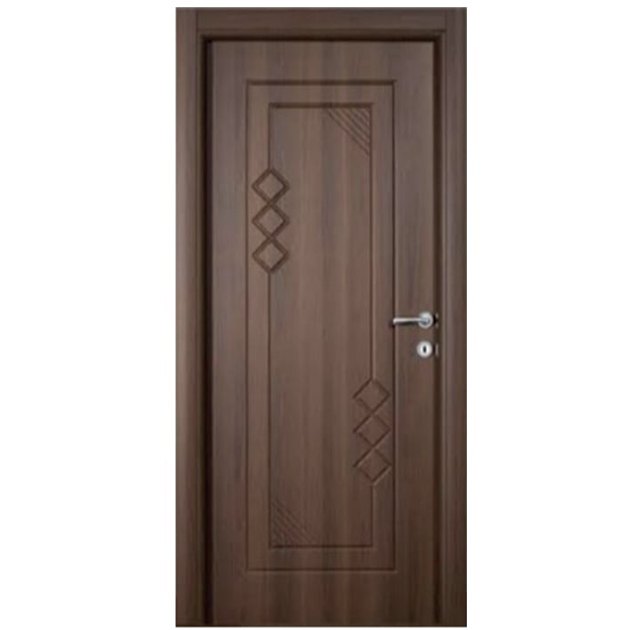
When you start choosing interior doors, one of the first questions is the basic style: a plain, smooth flush door or a panel door with raised or recessed sections. The choice shapes how your home feels, how easy the doors are to clean and how well they fit your furniture and finishes.
What is a flush door?
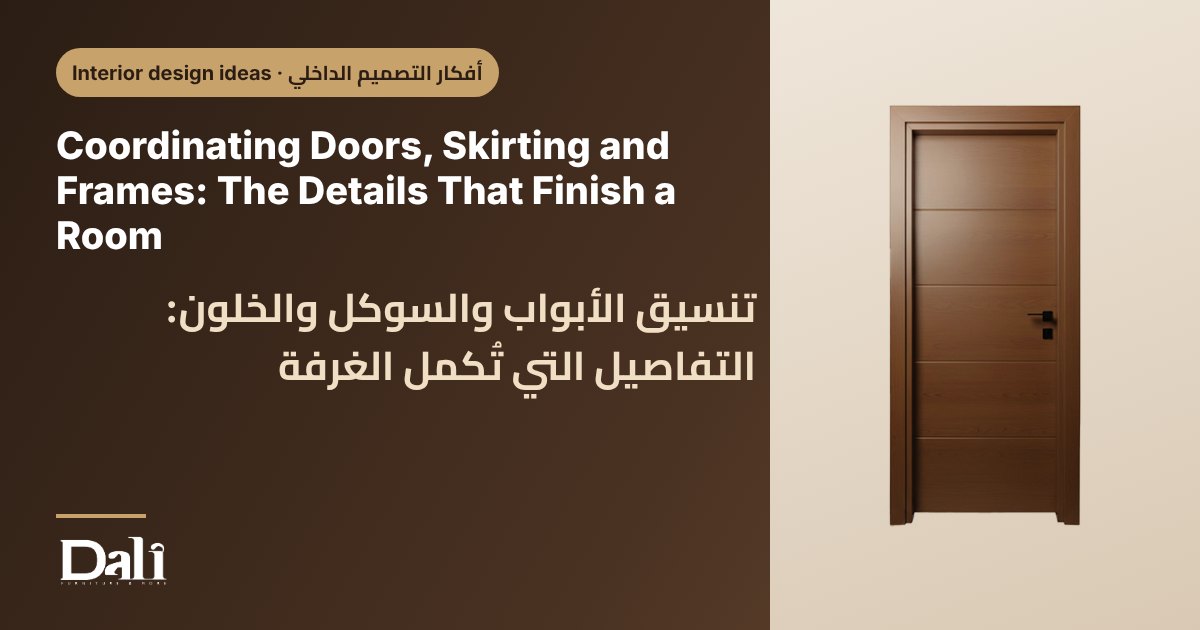
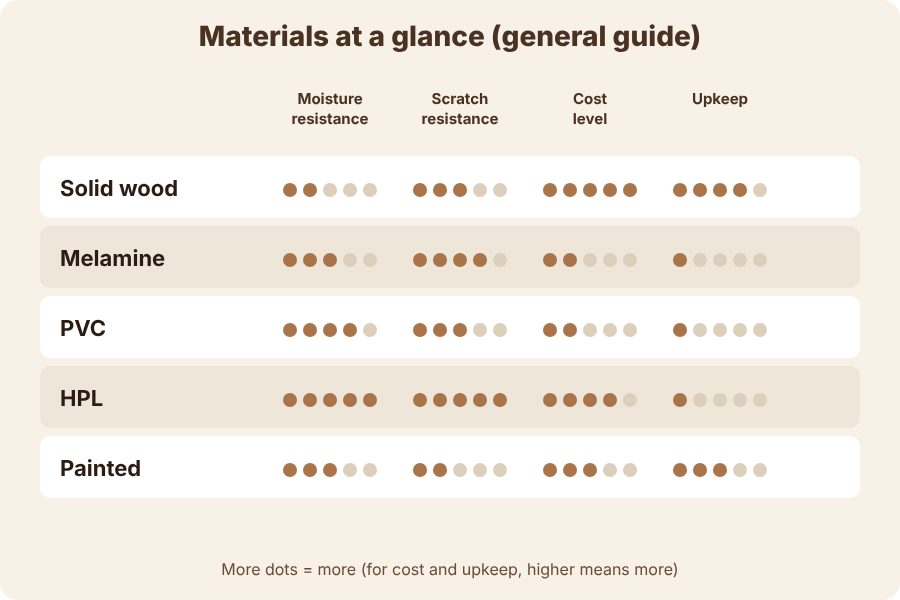
A flush door has a flat, smooth surface on both sides with no raised sections. Underneath the skin there is a frame and a core, which may be hollow or solid. The skin is usually a thin sheet or laminate such as melamine, HPL, PVC film or paint on a wood-based board. Flush doors give a clean, minimal look and are the most common choice in modern Egyptian apartments.
What is a panel door?
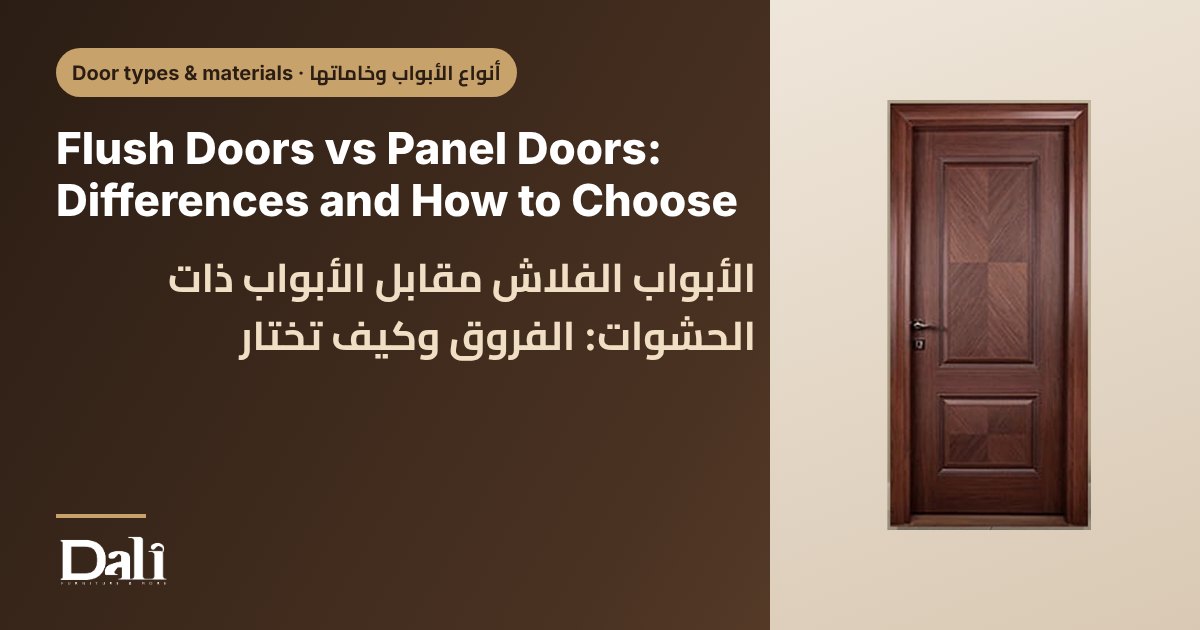
A panel door is built from a frame of vertical stiles and horizontal rails, with panels set between them. The panels can be raised, flat or recessed, and the profile creates shadow lines that give depth and a classic feel. Some modern panel-style doors are made by moulding or routing a board to imitate the look of a traditional panel door, which can give the style at a lower weight and cost.
Side-by-side comparison
| Feature | Flush door | Panel door |
|---|---|---|
| Look | Plain, modern, minimal | Classic, decorative, textured |
| Cleaning | Very easy; wipe a flat surface | More effort; dust gathers in grooves |
| Painting and finishing | Simple, even finish | Needs care in profiles and corners |
| Typical styles | Contemporary, Scandinavian, minimalist | Classic, neoclassical, traditional |
| Cost | Usually more economical | Usually higher, depending on detail |
| Variety of finishes | Wide: melamine, HPL, PVC, painted | Often painted or foil-wrapped |
Practical considerations
- Cleaning and hygiene: flat surfaces are easier to wipe, which suits children's rooms, kitchens and bathrooms.
- Stability: a well-made flush door is usually stable and resists warping, provided the core and edges are good quality. Panel doors need good joints so the panels do not crack or loosen.
- Matching your furniture: wardrobes and kitchens in flat finishes pair naturally with flush doors, while classic furniture often looks better with panel doors.
- Light and sound: neither style is automatically better. Sound performance depends on the core and the seals rather than the surface pattern.
- Repairs: minor scratches on a flat door are easier to touch up than damage inside a moulded profile.
Can you mix both?
Yes, but with care. Many homes use panel doors in formal reception areas and flush doors in bedrooms and bathrooms. If you do this, keep the colour and hardware consistent so the home still feels like one design.
One last tip: place a small sample of each style next to your floor and wall colours under the real lighting of the room before deciding, since showroom colours can look different at home.
How to choose what suits your home
- Room: flush for bedrooms, bathrooms, kitchens and offices; panel for reception rooms where character is wanted.
- Climate and humidity: in humid areas, a flush PVC door is easy to keep clean and resists moisture well.
- Budget: flush doors are generally the economical way to fit many rooms; spend on panel styles where it will be seen.
- Family: with young children or pets, easy-to-clean flat surfaces make life simpler.
- Style: match the door to the era and lines of your skirting, ceilings and furniture.
- Maintenance: choose flush if you want minimal upkeep; panel if you enjoy the detail and accept extra dusting.
Explore the Dali shop to compare door finishes and styles for every room in your home.