Sliding Doors and Pocket Doors: Space-Saving Solutions
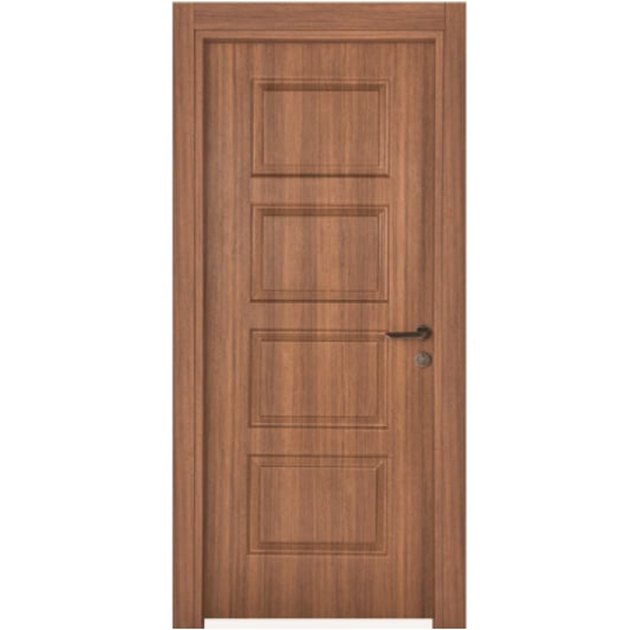
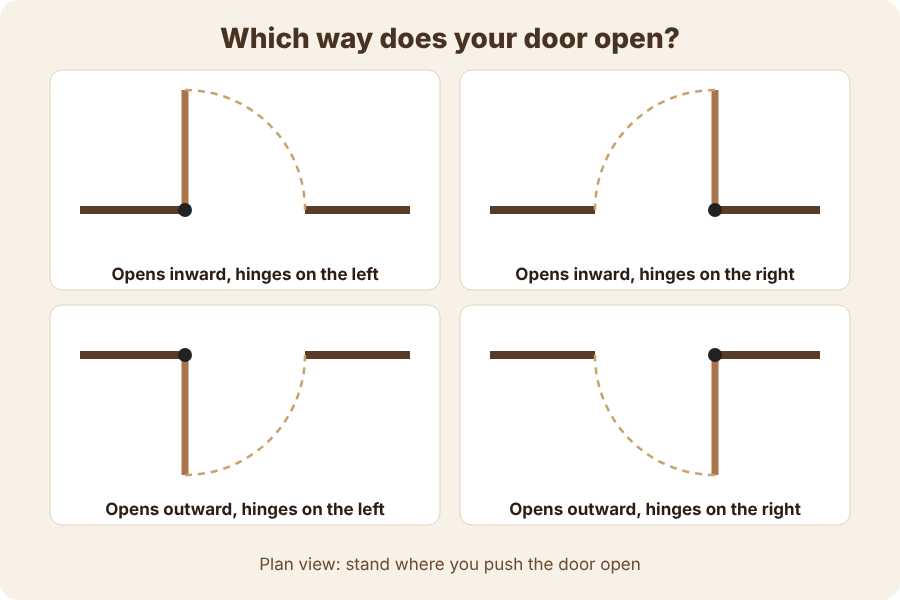
A standard hinged door needs a clear arc of floor space to swing open, often close to a full door width. In small bathrooms, narrow corridors and compact apartments, that space is valuable. Sliding and pocket doors move sideways instead, freeing floor area for furniture and movement.
Three ways a door can slide
- Surface sliding door: the leaf hangs from a track fixed above the opening and slides along the wall surface. It is the easiest to install, but the wall beside the opening must stay clear.
- Pocket door: the leaf slides into a cavity built inside the wall. When open, it almost disappears, which gives the cleanest result but needs a purpose-built wall frame.
- Bypass or multi-panel sliding doors: two or more leaves slide past each other on parallel tracks, common for wardrobes and wide openings.
Advantages and limits
| Point | Sliding / pocket door | Hinged door |
|---|---|---|
| Floor space | Saves the swing area | Needs a clear swing arc |
| Wall space | Surface type needs free wall beside the opening | No extra wall needed |
| Sound and sealing | Usually weaker; gaps along the track and edges | Easier to seal with perimeter seals |
| Installation | Pocket type needs wall construction | Simple and widely understood |
| Maintenance | Track and rollers need cleaning | Hinges need occasional adjustment |
Sliding systems are not ideal where full privacy or sound control matter most, since the leaf does not press tightly against the frame the way a hinged door does.
What a good sliding system needs
- Quality hardware: the track and rollers do the real work. Smooth, quiet hardware is worth more than an expensive surface.
- Suitable leaf weight: heavy leaves need a stronger track and a solid fixing above the opening. Lighter leaves are easier on the hardware.
- Stable, flat leaf: a warped leaf will jam or drag. Choose a material that stays flat, with well-sealed edges.
- Soft-close or soft-stop options: these reduce slamming and are helpful with children.
- Easy-to-use handle: a recessed pull handle is common, but make sure fingers can grip it comfortably.
Pocket doors: planning is everything
A pocket door must be planned before the wall is built. The cavity needs to be wide enough for the leaf and free from pipes or electrical conduits. It is much harder to add one later in a finished masonry wall. Many people choose a surface sliding door when renovating, and keep pocket doors for new construction.
Common mistakes with sliding doors
Typical problems include fitting a heavy leaf on a light track, leaving no wall space beside the opening, and forgetting that the leaf must clear skirting boards, sockets and light switches. Measure the wall carefully before ordering, and decide the handle and lock type early, because recessed hardware needs a suitable leaf thickness.
For a renovation, ask your carpenter to inspect the wall above the opening, because the track needs solid support for years of use.
How to choose what suits your home
- Room: they work well for small bathrooms, walk-in wardrobes, kitchens and openings between reception areas.
- Climate and humidity: in humid rooms, pick water-resistant leaves such as PVC and keep tracks clean and rust-free.
- Budget: a surface sliding system is usually cheaper and simpler than a pocket system that needs wall works.
- Family: think about finger safety and ease of use for children and elders; soft-close helps.
- Style: exposed tracks suit modern or industrial looks, while hidden tracks and boxes give a clean line.
- Maintenance: vacuum the track from time to time and check that rollers run freely.
Browse the Dali shop to find door finishes that suit your sliding and space-saving ideas.