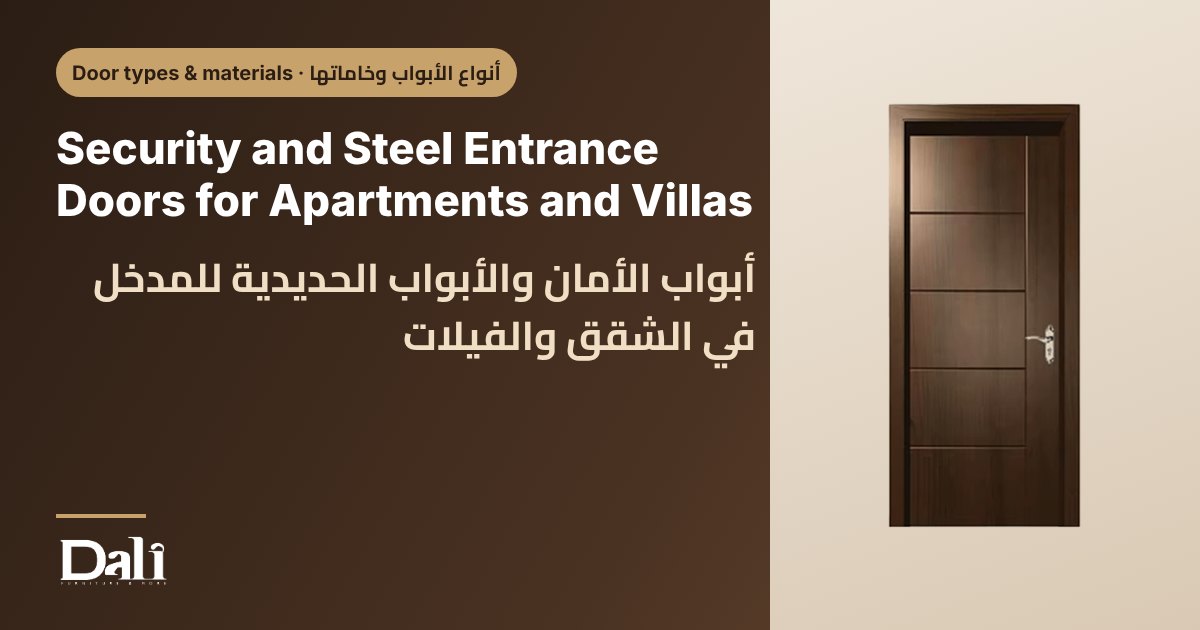
Security and Steel Entrance Doors for Apartments and Villas
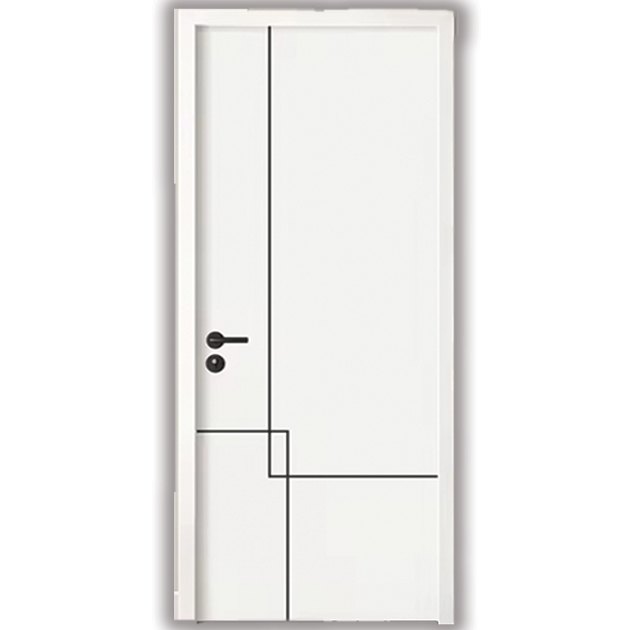
Your entrance door is the one door every visitor sees and every intruder tests. A good security door combines strength, a well-designed lock system and proper installation. This guide explains what matters, so you can compare options and ask the right questions, whether you live in an apartment block or a villa.
What makes an entrance door secure?
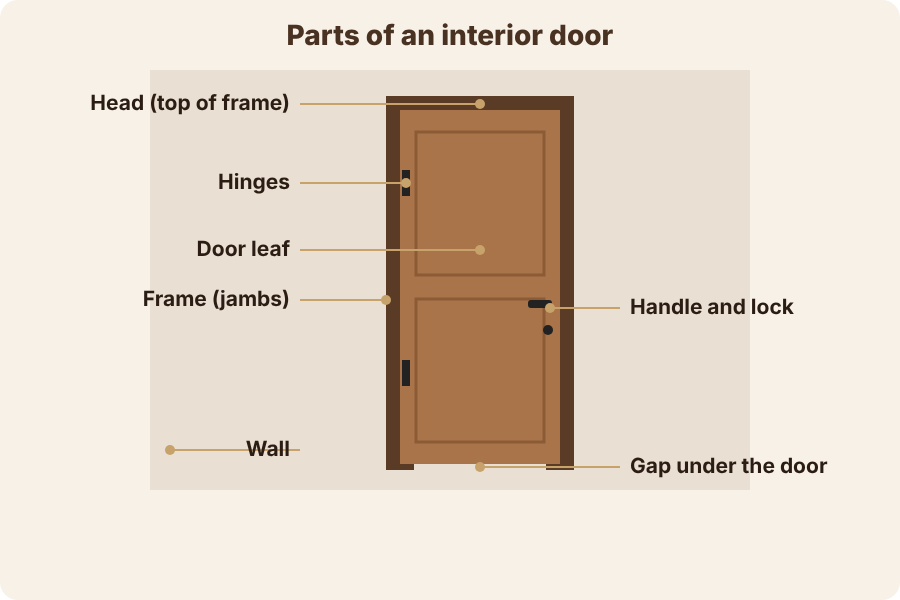
Security is not just about thick metal. A door is only as strong as its weakest part, which is often the frame, the lock cylinder or the way the frame is fixed to the wall. Look at the whole assembly.
- Leaf construction: steel skins over a reinforced internal structure resist kicking and prying better than a thin panel.
- Frame: a rigid steel frame, properly anchored into the masonry or concrete, prevents the door being forced out of the opening.
- Locking system: multi-point locks engage the frame at several points along the edge, not just at one latch.
- Cylinder and escutcheon: a quality cylinder with a protective plate makes drilling or snapping much harder.
- Hinges: strong hinges, ideally with fixed pins or bolts that keep the door in place even if the hinges are attacked.
Apartments versus villas
Apartments usually need a single, solid main door that suits a shared corridor. Look for a good lock system, a peephole or viewer, and a finish that suits the building's entrance. Fire and noise behaviour can matter too, since the door faces a shared stairwell.
Villas often have a larger or double-leaf main entrance exposed to weather and sun. Here the finish, thermal comfort and weather sealing matter as much as strength. Consider the sun exposure of the door, as dark surfaces can heat strongly, and ask how the surface is protected against rust and fading.
Finish and appearance
Security doors can be supplied with different surface treatments, such as powder-coated metal or cladding panels in wood-look or other finishes. Whichever you choose, the finish should be intended for the conditions it will face, particularly in coastal areas where salt and humidity accelerate corrosion. Ask what protects the cut edges and bottom of the leaf.
Installation matters as much as the door
- Measure the opening carefully, including wall thickness and the direction of opening.
- Fix the frame with proper anchors into solid masonry or concrete, not just into plaster.
- Check that the door closes smoothly without rubbing, and that every locking point engages.
- Fill and seal gaps around the frame so wind, dust and noise do not pass through.
- Keep spare keys safe and avoid leaving keys in the lock.
Your interior doors, in PVC, melamine, HPL or paint, complement a security entrance by giving the rest of the home a consistent look.
How to choose what suits your home
- Room and position: a main door facing a shared corridor has different needs from a private villa gate or garden entrance.
- Climate and humidity: in coastal or very sunny locations, prioritise corrosion protection and a durable finish.
- Budget: spend first on the lock system, frame and installation; decorative cladding can come second.
- Family: think about children and elderly members, so the handle, key and viewer are easy to use.
- Style: choose a colour and surface that suits the building and your interior doors.
- Maintenance: lubricate locks and hinges occasionally and check the paint for chips that could rust.
Browse the Dali shop to find interior doors that match the character of your new entrance.