Fire-Rated Doors: When You Need Them and How They Work
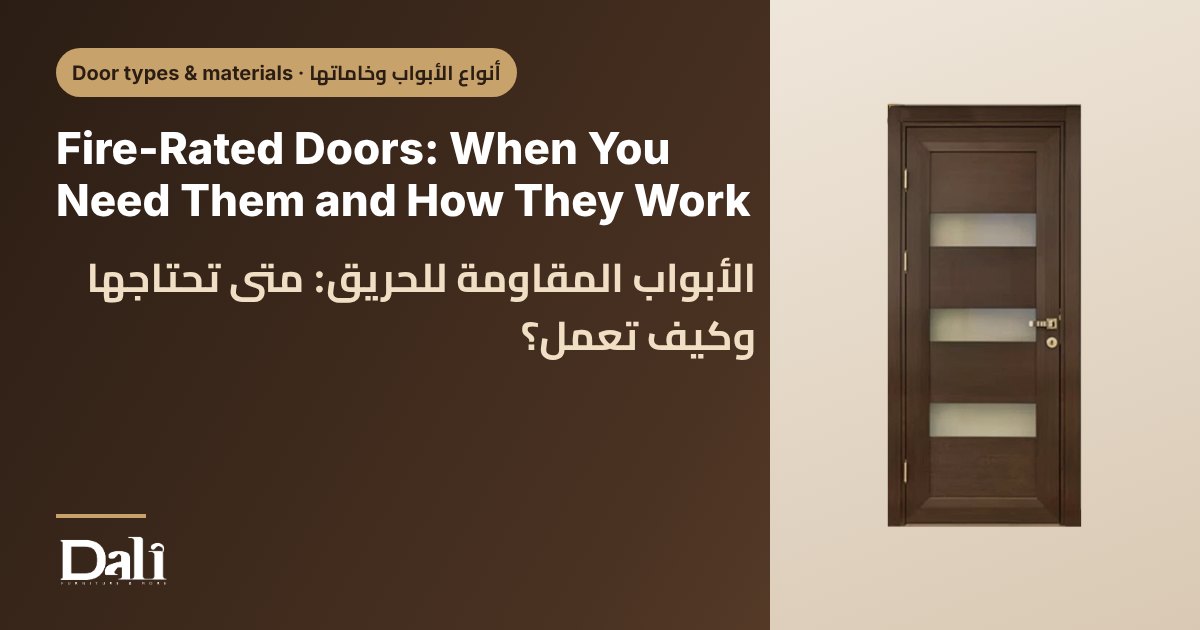
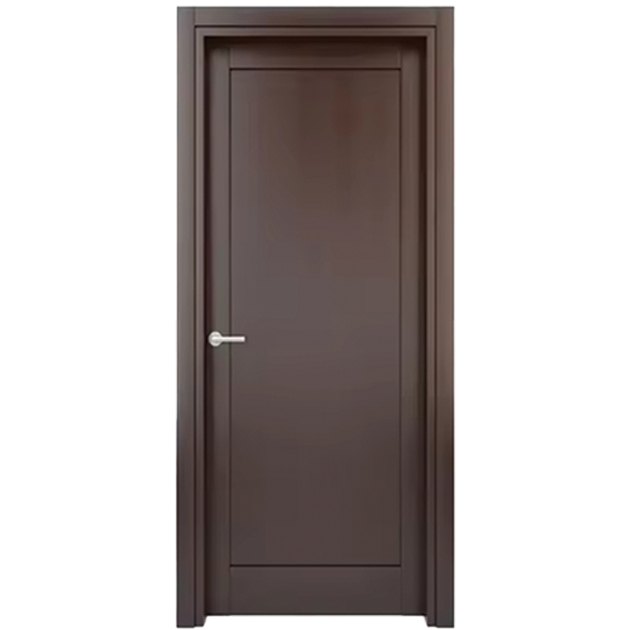
A fire-rated door is not just a thicker door. It is a tested assembly designed to slow the spread of fire and smoke for a stated period, giving people more time to leave and giving firefighters more time to respond. If you are planning a building, a shop, or a multi-storey residence, it helps to understand when these doors matter.
What makes a door fire-rated?
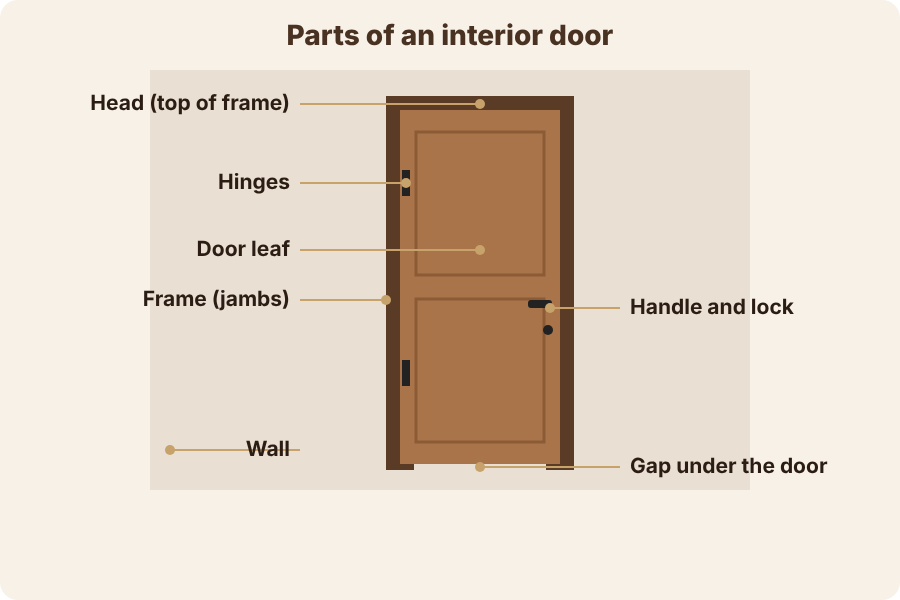
A fire rating usually describes how long a complete door assembly resists fire under standardised test conditions, commonly expressed in minutes. The word assembly matters: the rating applies to the leaf, frame, hinges, lock, seals and glass together, not to the leaf alone.
- Core: the leaf usually contains fire-resistant material rather than an ordinary hollow or particleboard core.
- Frame: the frame must be compatible and fixed correctly into the wall opening.
- Intumescent seals: these strips typically swell when heated and close the gap around the door.
- Hardware: hinges and locks are chosen to keep working at high temperature.
- Self-closing device: a door left open protects no one, so closers are normally part of the system.
Fire doors also control smoke
In many fires, smoke is the greater danger because it spreads quickly and reduces visibility. Some fire doors are fitted with smoke seals so that, when closed, they limit how far smoke travels through corridors and stairwells. This is why a fire door must close fully and latch properly to do its job.
Where are fire doors typically needed?
Requirements differ by building type and by local regulation, so always confirm them with the civil defence authority, your engineer or the building designer. As a general guide, fire doors are commonly specified in:
- Stairwells and escape routes in apartment buildings.
- Corridors separating apartments from shared areas.
- Plant rooms, electrical rooms and storage areas.
- Commercial, medical, educational and hospitality buildings.
- Between an integral garage and living space in some designs.
Within an individual home, most interior doors do not need a rating. The need is driven by the building's design and the rules that apply to it.
Common mistakes to avoid
- Assuming a thick door is a fire door. Only a door tested and certified as an assembly should be treated as one.
- Mixing parts. Replacing a hinge, lock or frame with a non-rated part can void the performance.
- Propping the door open. This defeats the purpose; use approved hold-open devices if one is needed.
- Painting over seals or cutting the leaf to size on site without guidance from the supplier.
- Skipping inspection. Check closers, seals and latching periodically.
What to ask before you buy
Ask for the documents that show the door has been tested and certified to the standard your authority accepts, and confirm that the certificate covers the exact frame, hardware and size you intend to install. Dali's regular interior doors in PVC, melamine, HPL and painted finishes are designed for everyday residential use; if your project requires a certified fire-rated assembly, specify it with your engineer and verify the certification directly with the supplier.
How to choose what suits your home
- Room and location: decide whether the opening is on an escape route, between units or in a technical room; this drives the rating required.
- Regulations: confirm the requirement with your engineer or the relevant authority before ordering anything.
- Budget: a certified assembly costs more than an ordinary door, so plan for the frame and hardware as well.
- Family and use: choose doors that will actually be kept closed; heavy traffic suggests a good closer.
- Style: fire doors can often be finished to match nearby doors, so ask about available finishes.
- Maintenance: schedule simple checks of seals, hinges and closers each season.
For everyday interior doors in a range of finishes, browse the Dali shop and speak with us about your project needs.