Painted and Lacquered Doors: Finishes, Colors and Maintenance
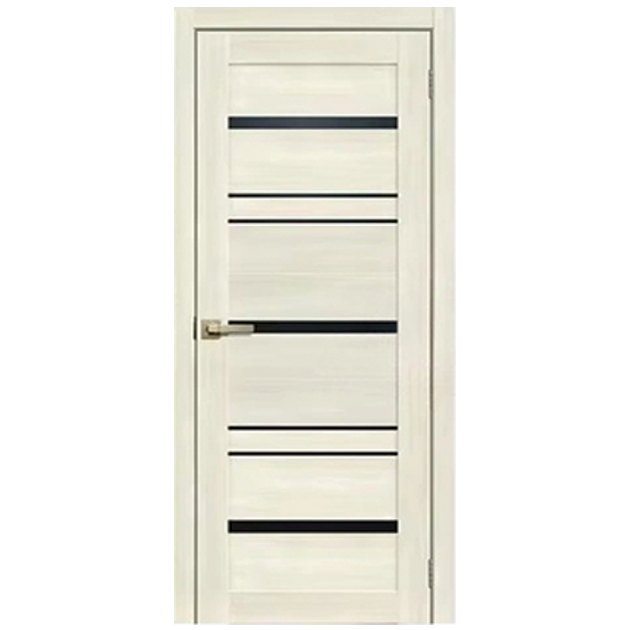
Painted and lacquered doors give you something few other surfaces can: almost unlimited freedom of color. They are a favorite for modern, minimal and classic interiors alike. But the finish you choose and the way it is applied make a big difference to how the door looks and ages. Here is what to know.
What is the difference between paint and lacquer?
Both are liquid coatings sprayed or brushed onto a prepared surface, usually an engineered board or wood. In everyday use, the word lacquer describes a hard, smooth coating, often built up in several thin layers, sanded between coats and polished to a uniform surface. Paint is a broader word and may refer to simpler finishes. The exact products vary, so ask the supplier how many coats are applied, what type of coating is used and how the surface is prepared before painting.
Finishes: matte, satin and gloss
- Matte: a soft, modern look that hides small imperfections and fingerprints better.
- Satin or semi-matt: a balance between elegance and practicality, popular for bedrooms and living areas.
- Gloss: a bright, reflective surface that looks striking in a well-lit space but shows dust, marks and uneven walls more easily.
Choosing colors
White and off-white remain the safest choices because they brighten rooms and match most floors and furniture. Soft greys, beige and light sage are popular for calm, modern spaces, while deeper tones such as navy or charcoal can make a strong statement in a hallway or study. Because paint is mixed to order, you can usually coordinate the door with a wall color or an existing furniture shade, but always view a sample in your own home light, since colors change between daylight and evening.
| Finish | Look | Care note |
|---|---|---|
| Matte | Soft, modern, calm | Avoid rubbing hard, as it can polish the surface |
| Satin | Gentle sheen, versatile | Wipes clean easily |
| Gloss | Bright and dramatic | Shows fingerprints and dust |
Strengths and limits
The great strength of a painted door is that it can be repaired. A small chip or scratch can usually be filled, sanded and touched up, and the whole door can be repainted years later when you change your decor. The limit is that paint is generally softer than laminate surfaces, so it can mark or chip more easily at corners, handles and the lower edge. Sunlight can slowly change some colors, and very humid rooms demand a good sealing system on all sides of the leaf. For this reason, painted doors are often chosen for bedrooms, living areas and hallways rather than wet rooms.
Maintenance tips
Dust regularly with a soft cloth. For marks, use a lightly damp cloth with mild soap, then dry. Avoid scouring pads and strong solvents. Keep a small amount of the original color for touch-ups if possible, and treat chips early so moisture does not creep under the coating.
How to choose what suits your home
- Room: choose painted doors for bedrooms, living rooms and hallways; use PVC or HPL for bathrooms and kitchens.
- Climate: in humid or coastal homes, check that the edges and the bottom are sealed and coated.
- Budget: painted doors can range widely in cost depending on the coating system, so compare the number of coats and the preparation.
- Family: with young children, a satin or matte surface is more forgiving than gloss, and touch-ups are easy.
- Style: pick white for a bright, classic look or a bold color to create a focal point.
- Maintenance: if you like the option of changing color later, a painted door is ideal.
Browse the Dali shop to see painted doors and choose the color that completes your rooms.